
Goldsmithing & Stone Setting
Diamond and Gemstone Setting - The Craft Behind the Jewelry
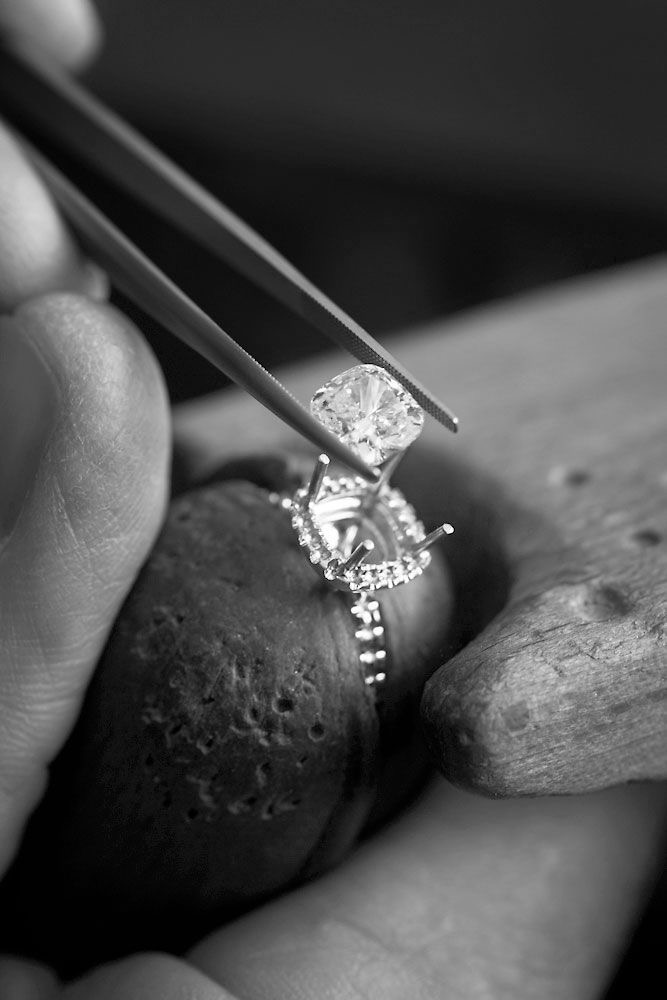
When looking at a diamond ring, a gemstone-set necklace, or a piece of jewelry covered in stones, the eye is immediately drawn to the stones themselves. Very few people stop to think about one simple question: how do they actually stay there?
Surprisingly, quite a few people believe that diamonds are glued into jewelry.
In reality, in fine jewelry, the stone is held in place by the metal itself. The setter cuts a precise seat for it into the gold, platinum, or silver, places the stone in position, and uses tiny parts of the surrounding metal to lock it securely in place.
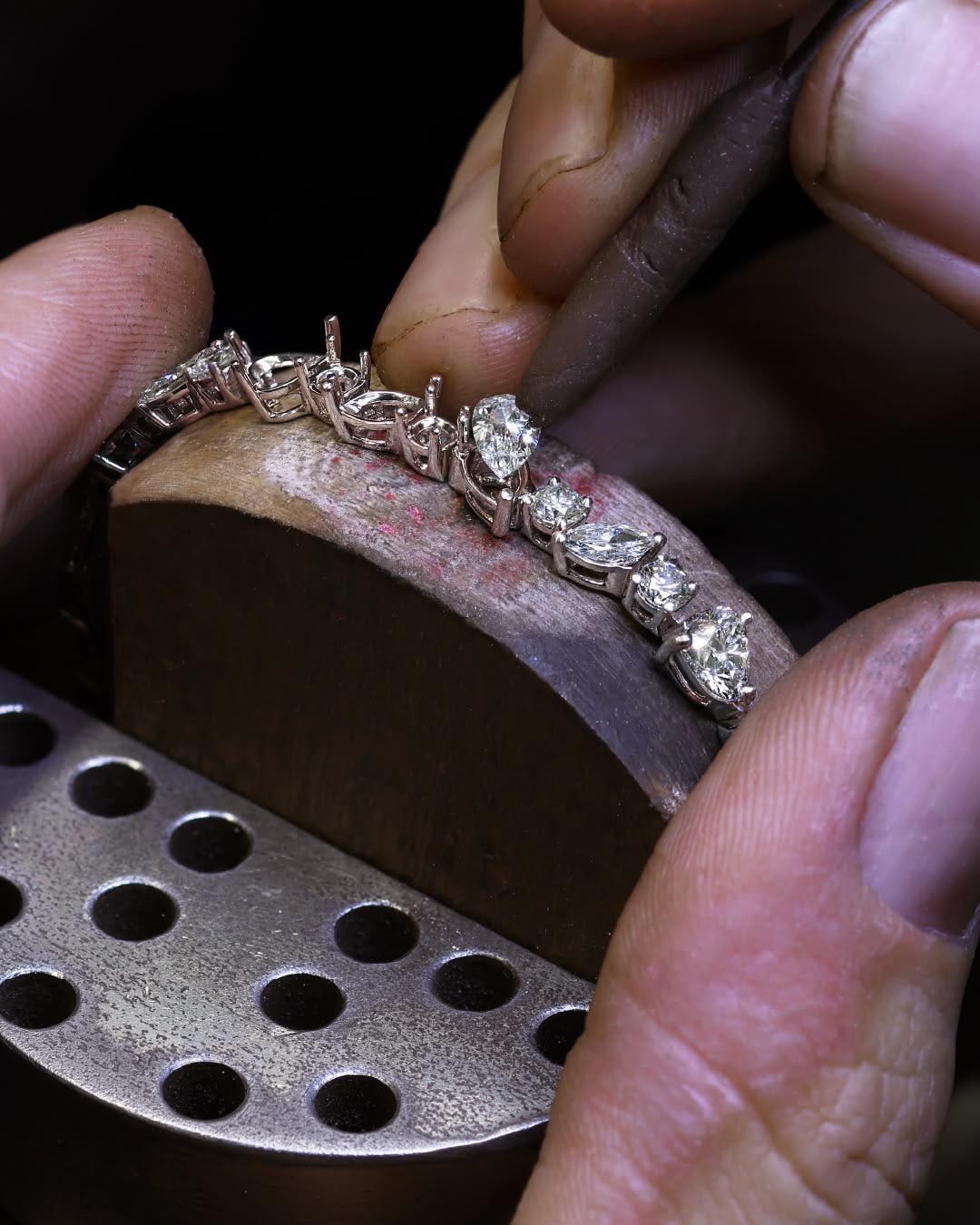
Sometimes these are four prongs that can easily be seen, sometimes tiny amounts of metal are cut and raised from the surface, and sometimes the structure holding the stone is almost completely hidden.
This is the craft of stone setting.
A Craft Thousands of Years Old
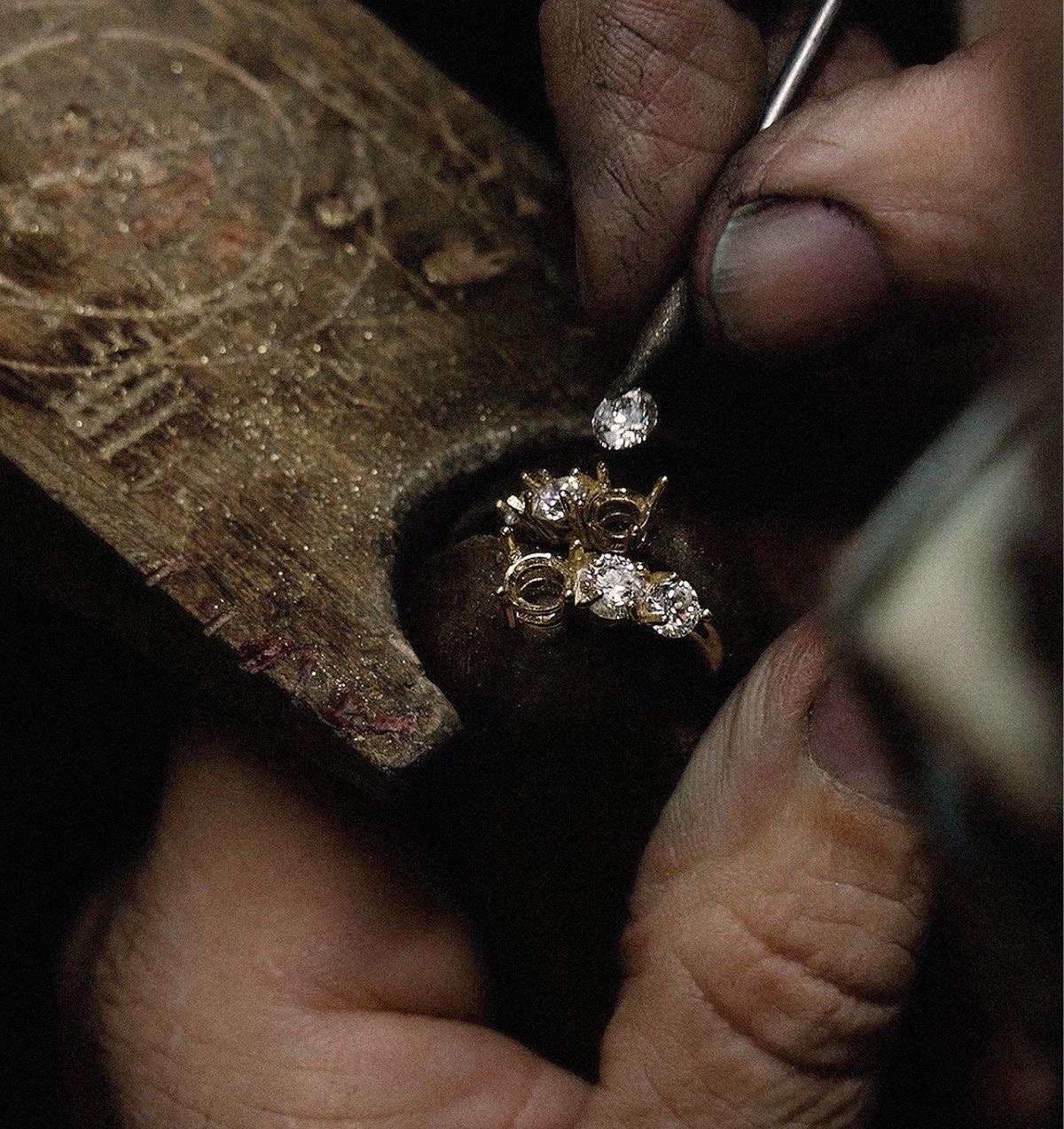
Gemstones have been set into gold for thousands of years. Ancient jewelry shows that people knew how to secure stones in metal long before electricity, machines, or modern magnification existed.
Early settings were generally heavier and more enclosed. As gemstone cutting and polishing developed, setting techniques evolved as well. More of the stone became exposed, less metal covered it, and the structures became finer and more complex.
Over time, stone setting developed into a profession of its own. Even today, a goldsmith and a stone setter are not necessarily the same craftsman. The goldsmith creates the jewelry, while the setter is responsible for the precise meeting point between the stone and the metal.
How Is a Stone Held in Jewelry?
There is no single method. Over the years, dozens of techniques and variations have developed, and these are some of the main ones.
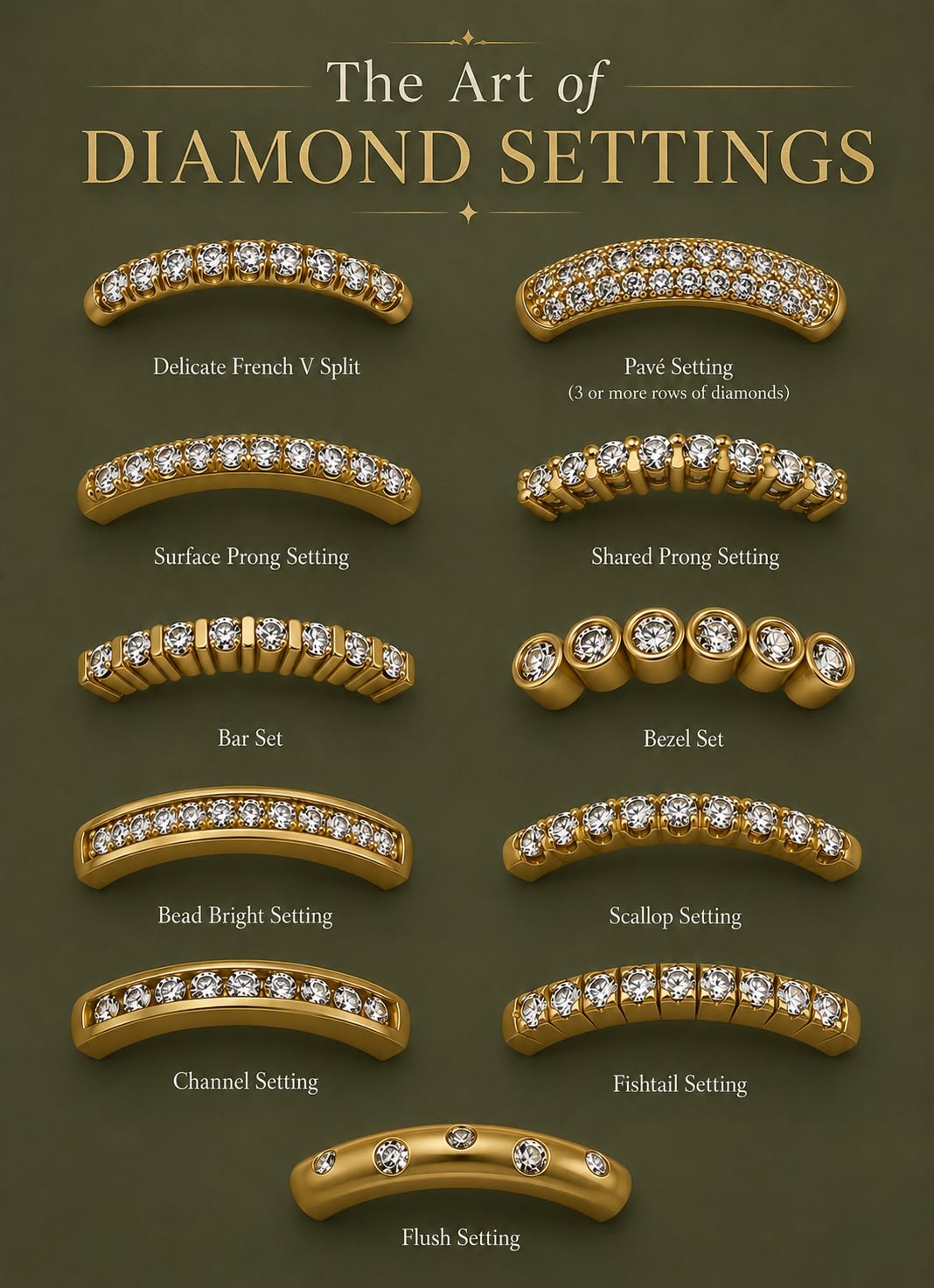
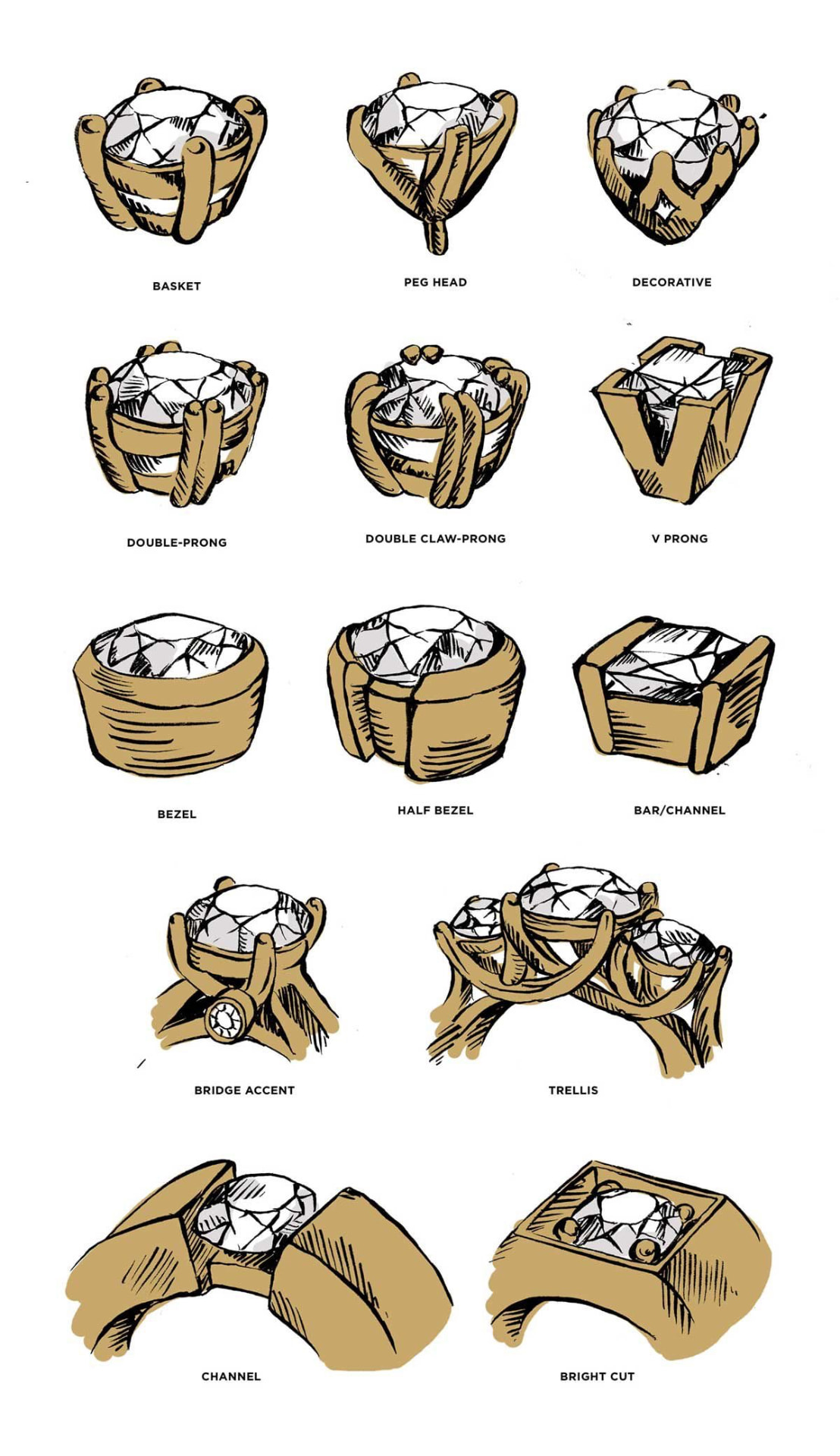
Prong / Claw Setting: the setting most commonly associated with engagement rings. The stone sits inside a seat, and several prongs, usually four or six, are closed over it to hold it securely. Relatively little metal covers the stone, allowing a large part of it to remain visible.
Bezel Setting: a metal rim surrounds the stone and is pressed around its edge. This is one of the oldest setting techniques and provides the stone with very good protection.
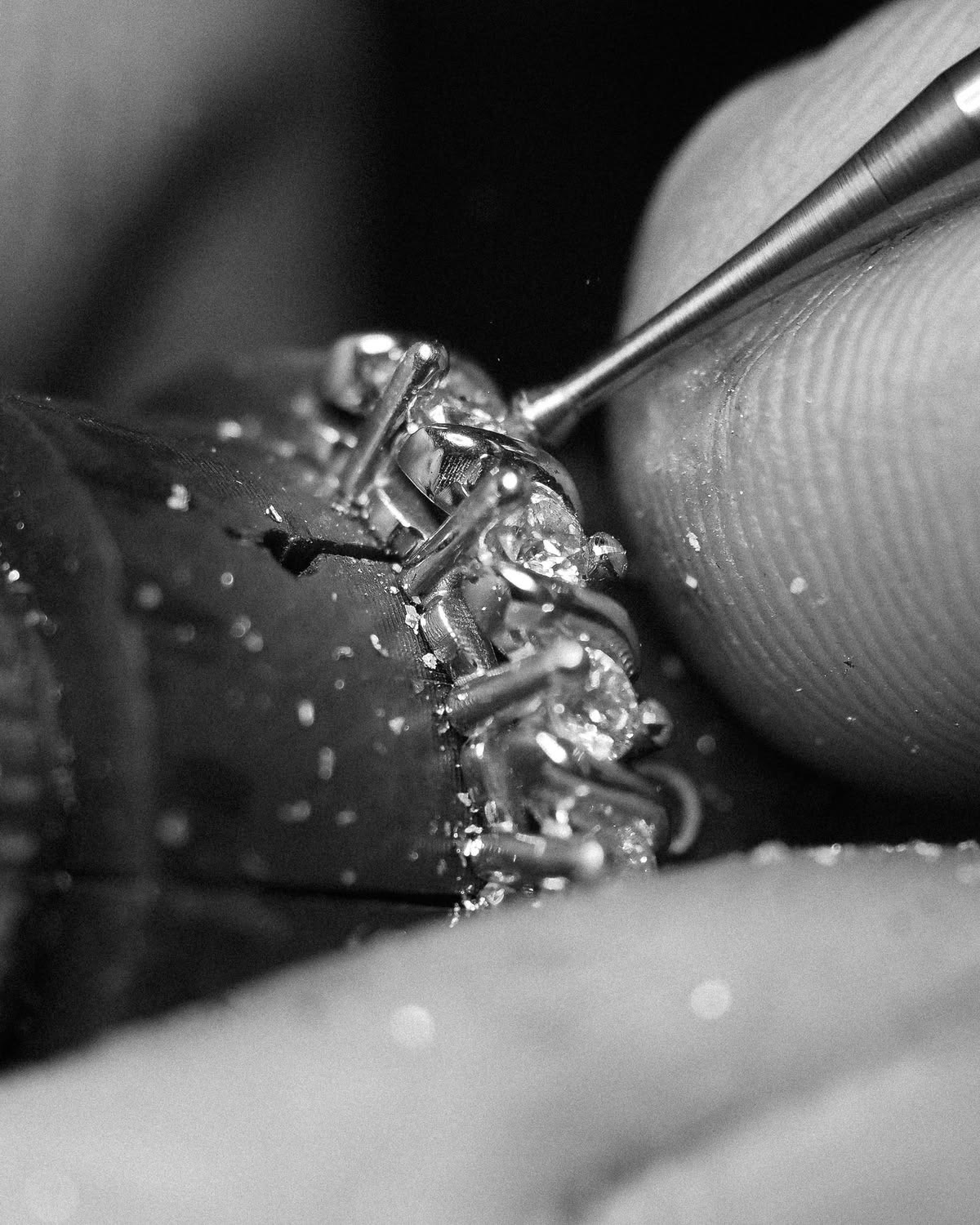
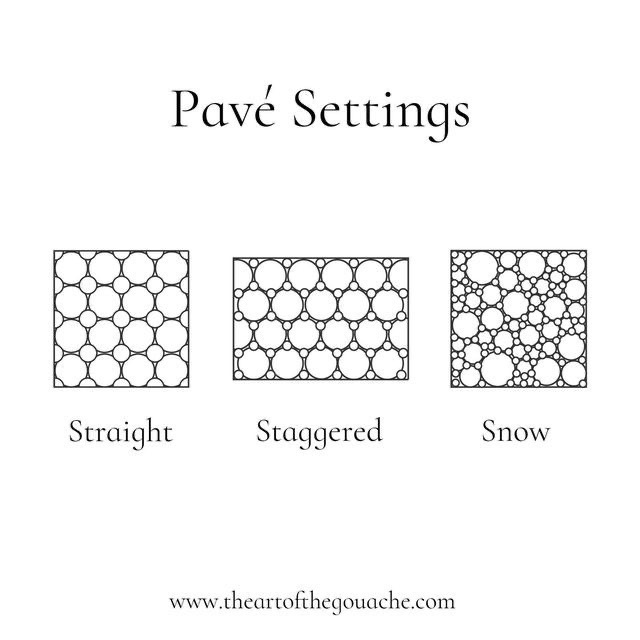
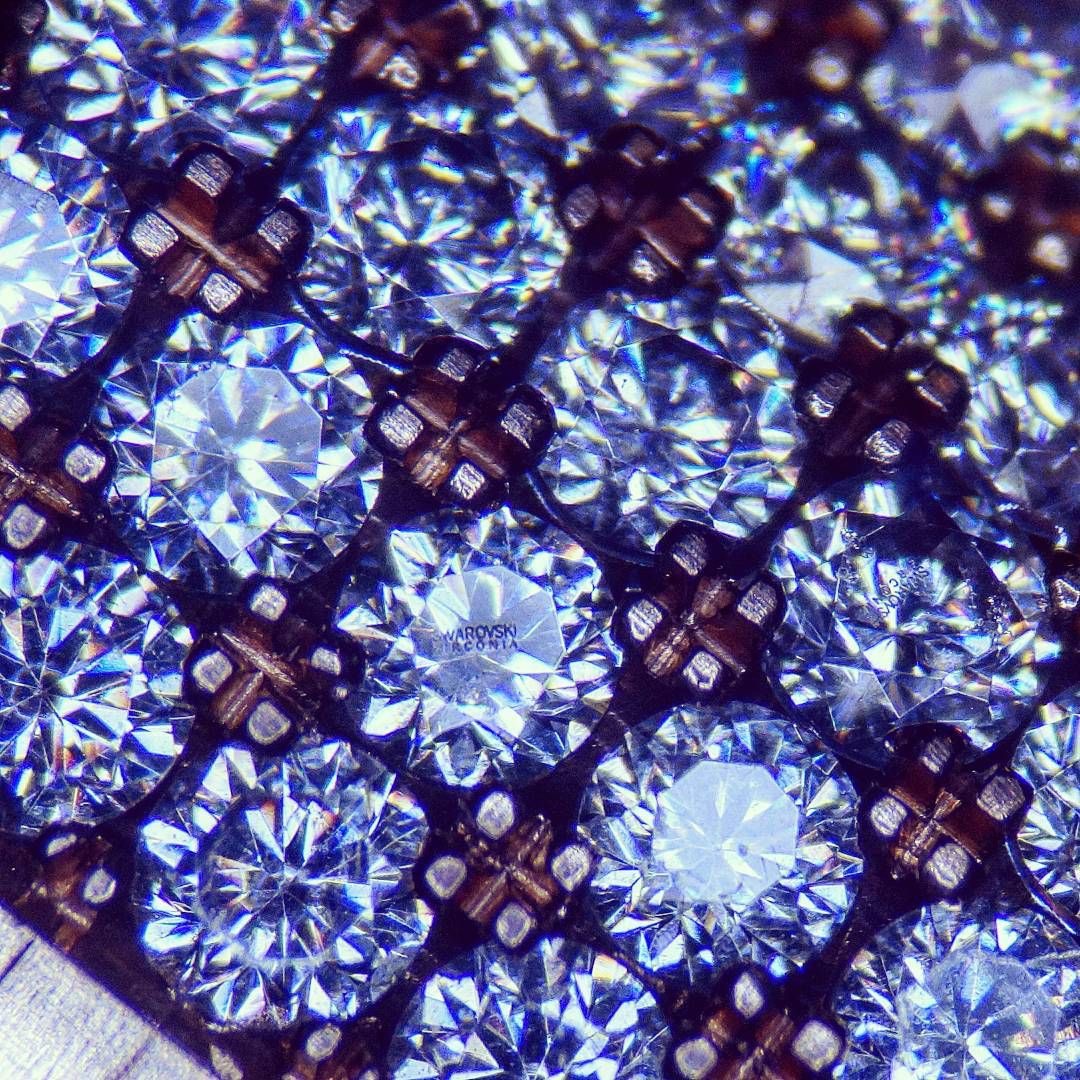
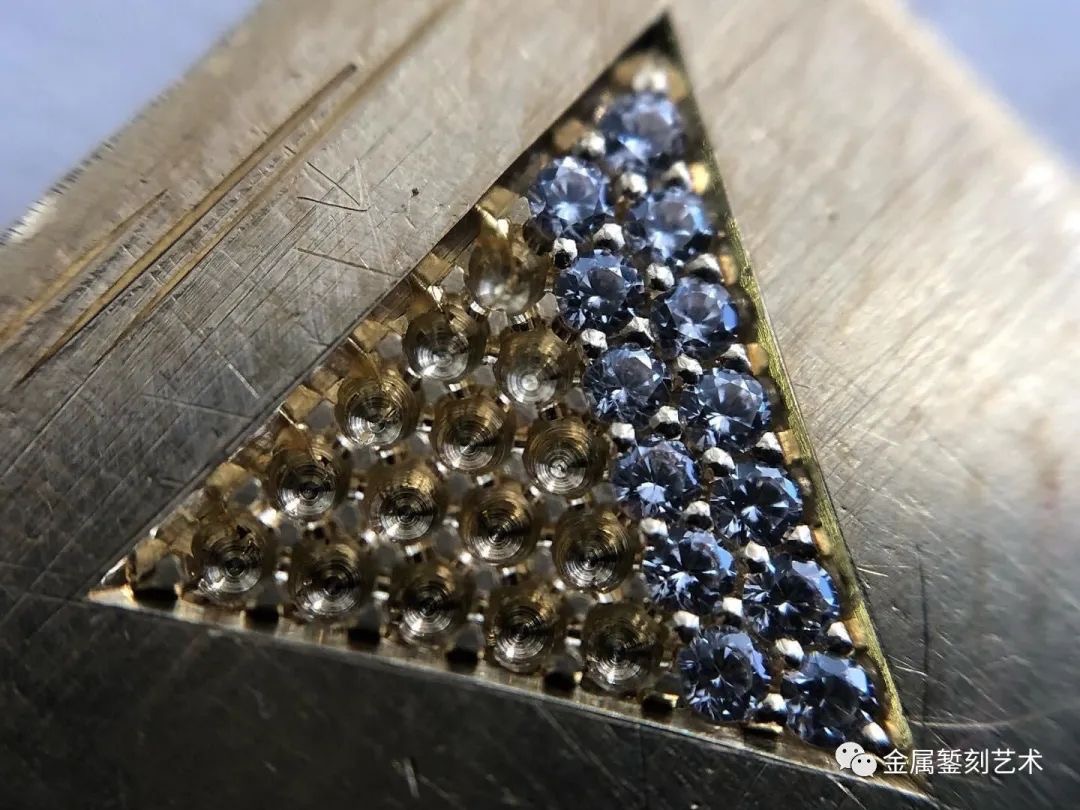
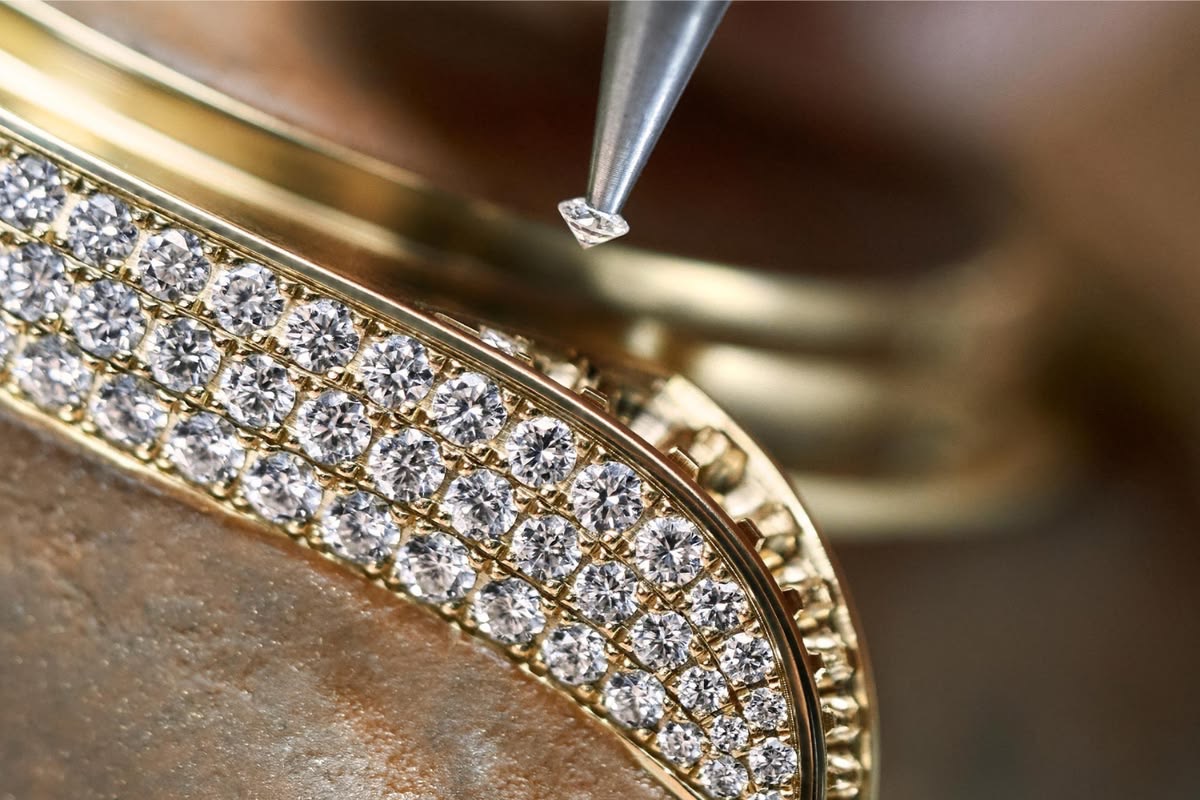
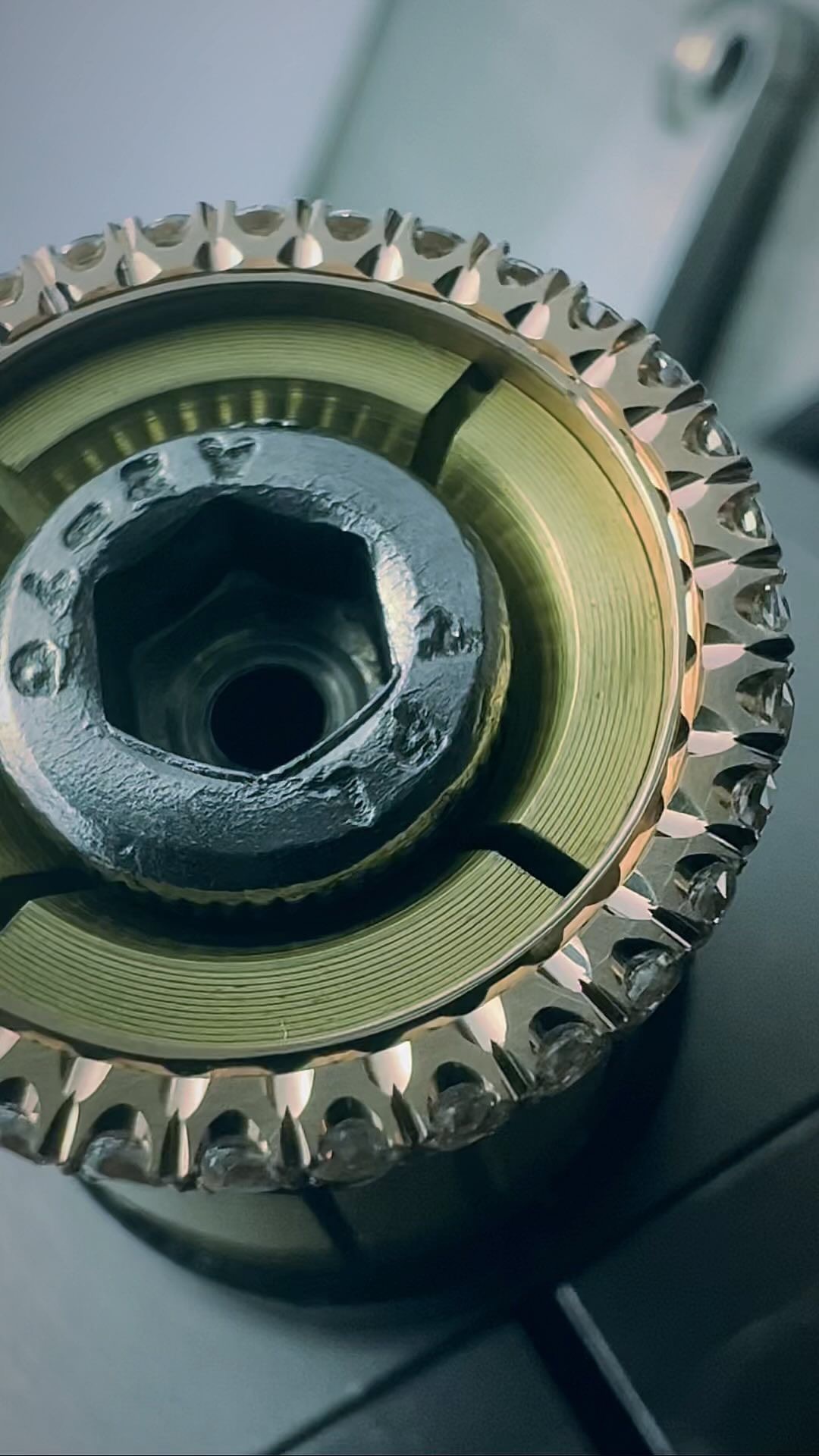
Bead Setting / Pavé: in this technique, small stones are set closely beside one another. The setter cuts into the metal and raises tiny amounts of metal from it, shaping and closing them over the stones.
In a well-executed pavé setting, the result is almost a continuous surface of diamonds, with the visible metal between them reduced to a minimum. When the stones and the work become especially small, we enter the world of micro pavé.
Channel Setting: the stones are arranged side by side between two walls of metal. There are no prongs between the individual stones, creating a clean and continuous line. The technique requires very precise matching between the stones and the channel.
Flush / Gypsy Setting: the stone is inserted into a seat cut directly into the body of the metal. The setter then pushes and works the surrounding metal toward the stone until it is locked securely in place. Once finished, the stone appears to be embedded directly into the gold.
Tension Setting: here, the stone is held by the pressure applied to it by the structure of the jewelry from both sides. The result can create the illusion that the stone is almost floating in the air. This type of setting requires precise planning and is not suitable for every stone or every design.
Invisible Setting: one of the most complex setting techniques. The stones are specially cut and fitted to a hidden structure beneath them, so that almost no metal can be seen from above.
For those who would like to explore this technique in greater depth, I have dedicated a separate article to it: "Invisible Setting - The Art of Making the Metal Disappear", which covers its history, the way it works, and the complexity behind the technique.
It is also important to distinguish between a type of setting and the design of a piece of jewelry. Solitaire, Halo, and Three Stone describe the arrangement of the stones, not necessarily the way in which they are held.
As with any craft, in stone setting every setter has a kind of personal signature. Over the years, a unique working style develops, which can be seen in the way the metal is opened, the prongs are shaped, the stones are arranged, and the surface is finished. In addition, not every setter specializes in the same techniques: some excel in delicate pavé setting, others in setting larger stones, channel setting, or particularly complex work. In this sense, a setter is somewhat similar to a tattoo artist. while the technique is based on the same principles, the hand, style, and specialization of the professional can be seen in the final result.
The Stone Setter's Tools
A stone setter's workbench is a combination of ancient tradition and modern technology.
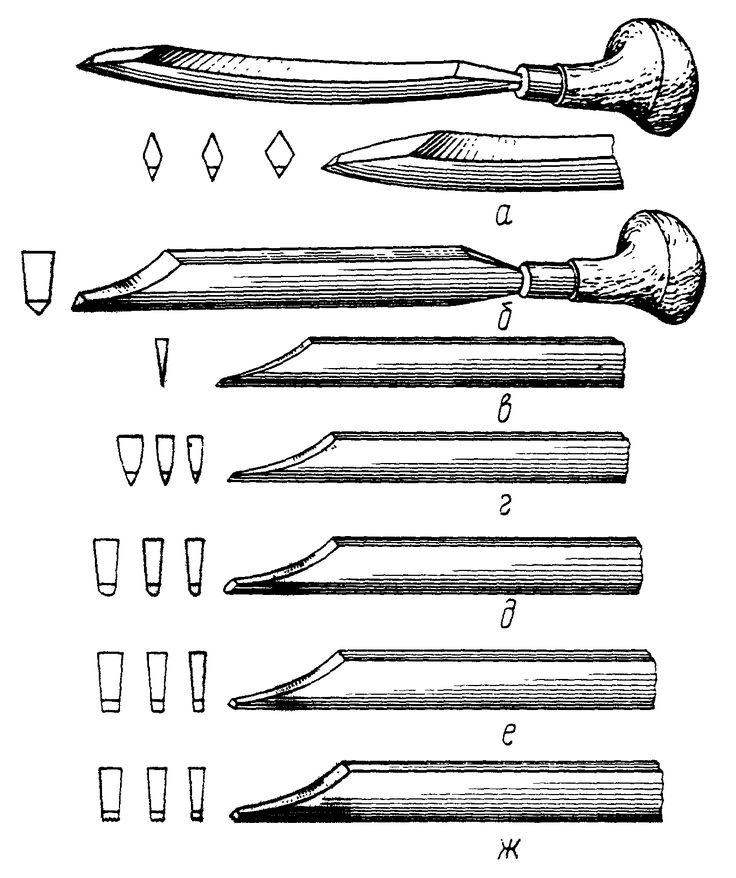
Some of the tools have hardly changed in their basic form for generations. Professional engraving knives are still used today, many of them still fitted into wooden handles, alongside micromotors, pneumatic systems, and microscopes.
The engraving knife is one of the most important tools in the profession. In fact, there is no single "knife". There are many different types, with different shapes, profiles, and angles, each designed for a different task.
Preparing the knives is also part of the craft. They are sharpened and polished with great precision and are sometimes adjusted specifically for the work the setter is about to perform. An incorrect angle or a poorly sharpened tip can immediately affect both the quality of the cut and the setter's control over the tool.
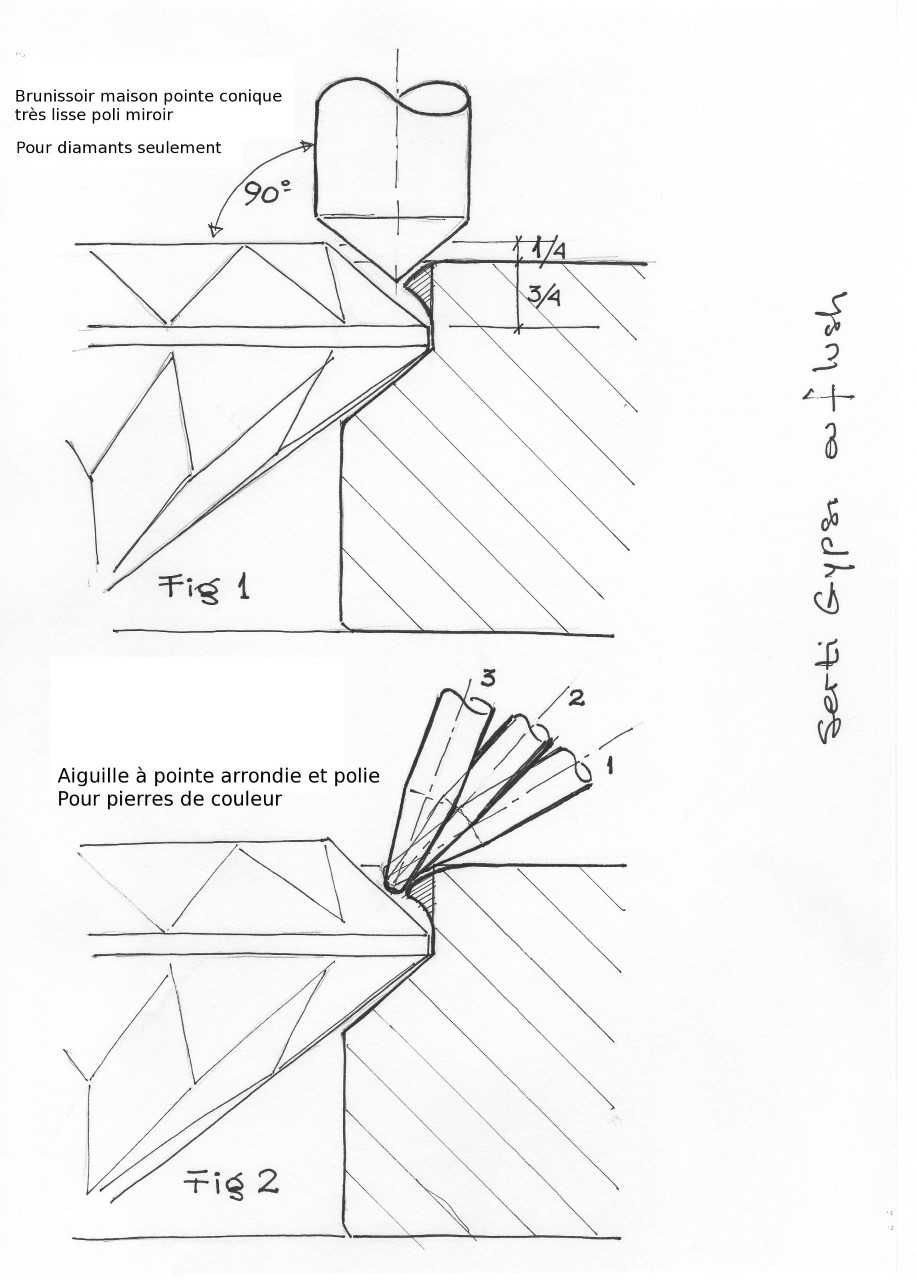
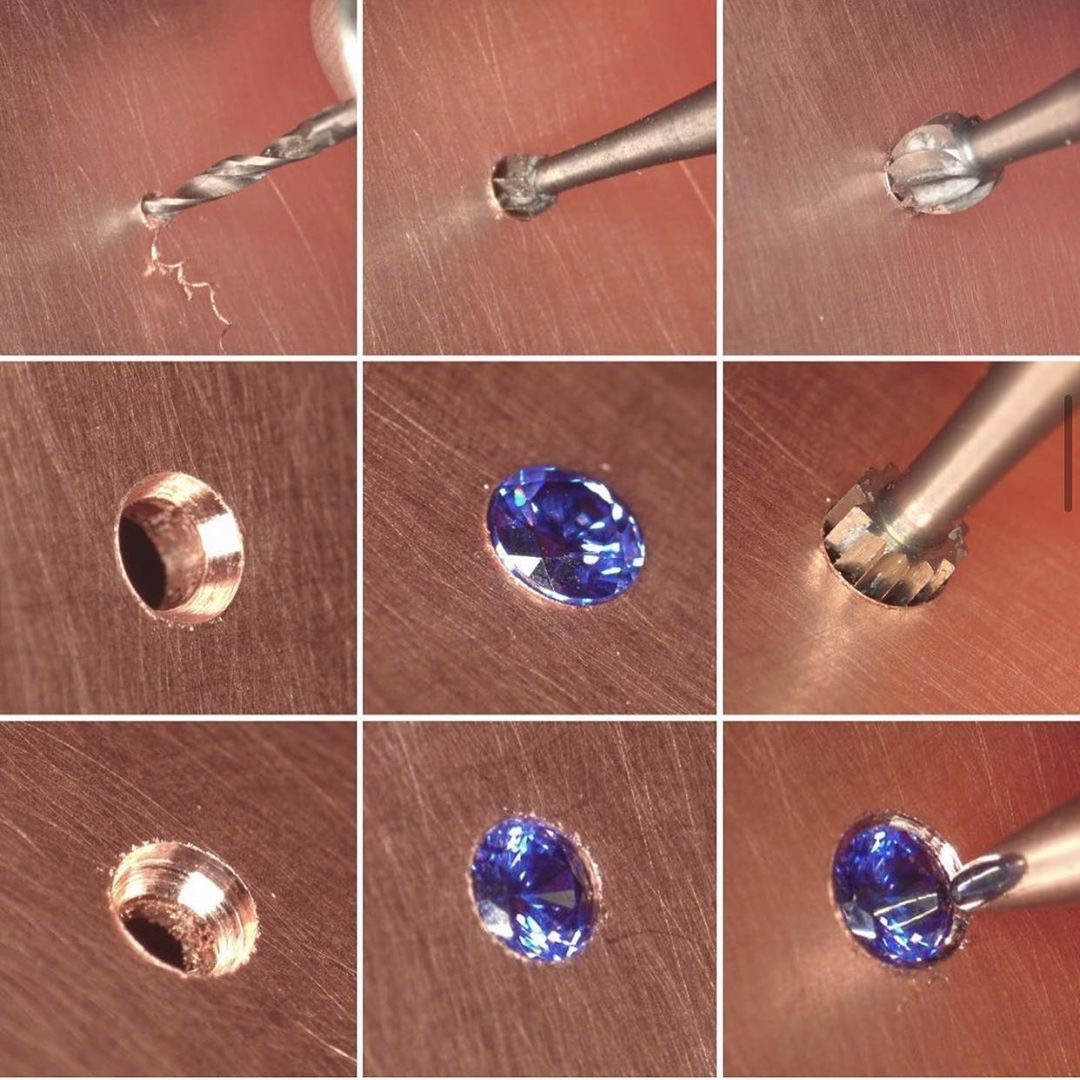
Alongside them are tiny burs and drills, pushing and pressing tools, tweezers, burnishers, holding tools, and a long list of other instruments. Over the years, a professional setter can accumulate dozens or even hundreds of different tools.
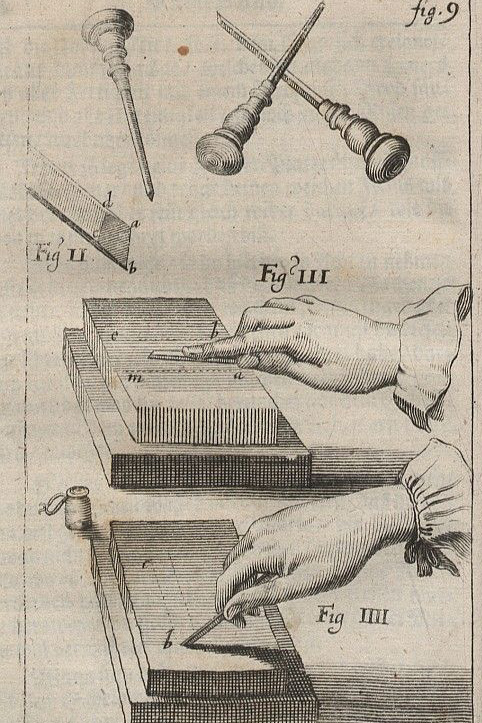
Another interesting detail can be found in the way the jewelry itself is held during the work. Even today, many setters use traditional pitch made from shellac. Shellac is a natural material produced from a resinous secretion of the lac insect. It is heated until it softens, the piece of jewelry is secured inside it, and once it cools, it hardens and holds the jewelry firmly in place while the setter works.
Despite all the modern holding systems available today, shellac is still used by stone setters. There is something fascinating about the fact that beneath a modern microscope, alongside pneumatic tools and micromotors, you can still find a traditional natural holding material. Craftsmen have been using this method for hundreds of years, and it remains in use to this day.
From the Naked Eye to the Microscope
In the past, stones were set by eye. Generations of craftsmen created remarkably precise work without the microscopes that can now be found in almost every modern stone-setting workshop.
Today, the picture is different.
In precise work, especially pavé and micro pavé, the setter works with both hands positioned beneath a microscope. The microscope is not used simply to inspect the finished work. The setter cuts, prepares seats, places stones, and closes the metal over them while looking through it.
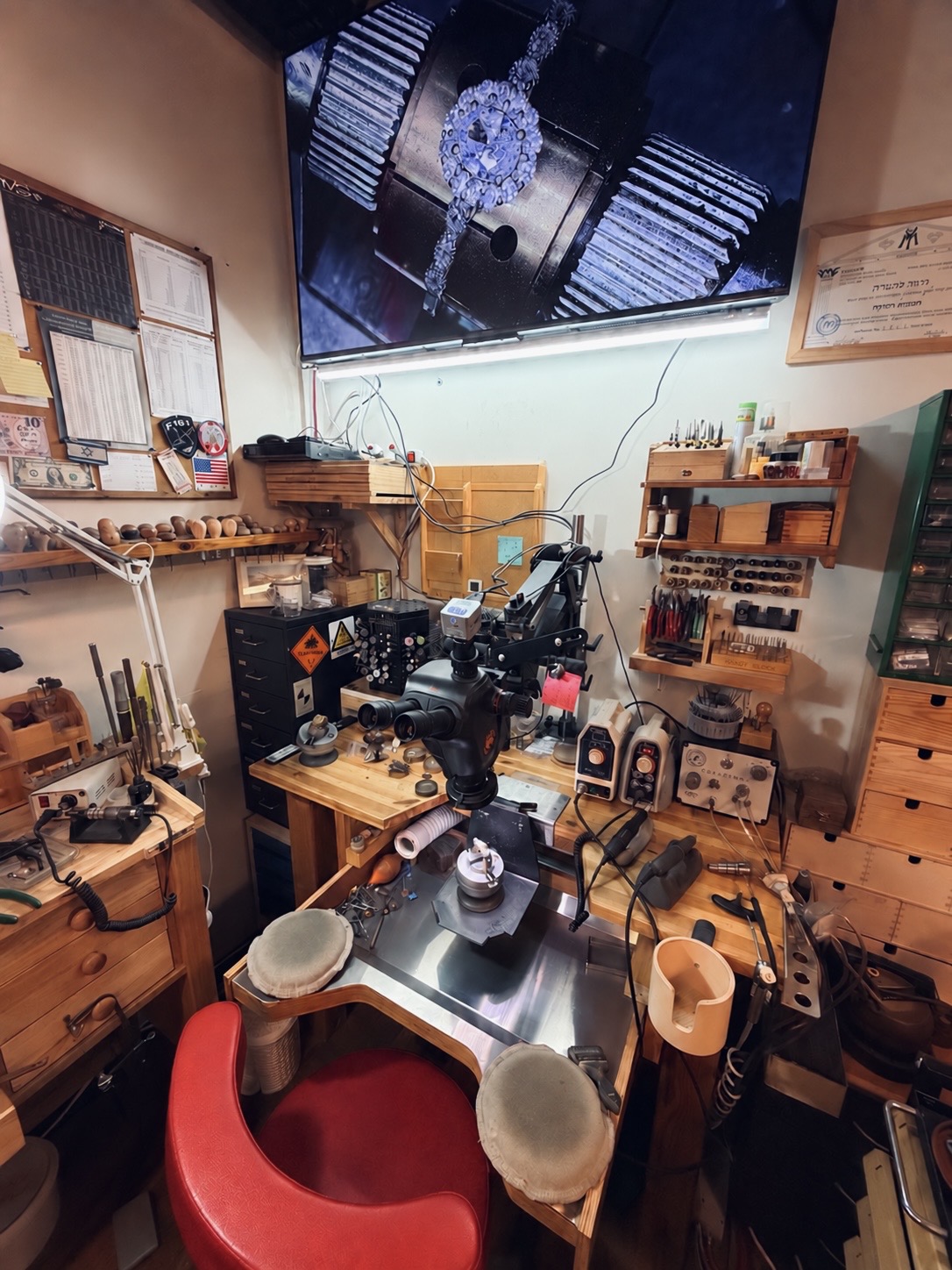
This method of working is also known as Optical Stone Setting.
Professional stone-setting microscopes can provide magnification of more than 20 times, and some systems can reach around 40 times magnification. Of course, the setter does not work at maximum magnification all the time. The level is adjusted according to the size of the stone and the task being performed.
A stone whose details are barely visible to the naked eye becomes an entire world beneath the microscope. The setter can see its girdle, the seat cut for it, the tip of the engraving knife, and the tiny piece of metal that is about to hold it in place.
Why Is Stone Setting So Complex?
A setter does not simply "put a stone into a hole".
Every stone is a three-dimensional object, and each one has slightly different dimensions, a different girdle, a different depth, and different angles. Even two stones sold as the same size are not necessarily completely identical.
Before a stone is set, it has to be examined. The setter studies its structure, its girdle, its height, and its shape, and only then decides how much metal to remove, how deeply to cut the seat, and how the setting should be closed around it.
A stone that sits too high may be exposed to impact. A stone that sits too low can affect the appearance of the jewelry. A seat that has been cut too deeply or too widely may allow the stone to move, while incorrect pressure can damage it.
The type of stone also changes the way the setter works. Diamond is extremely hard, but it can still break at certain points. Emeralds, opals, and other gemstones can be far more sensitive.
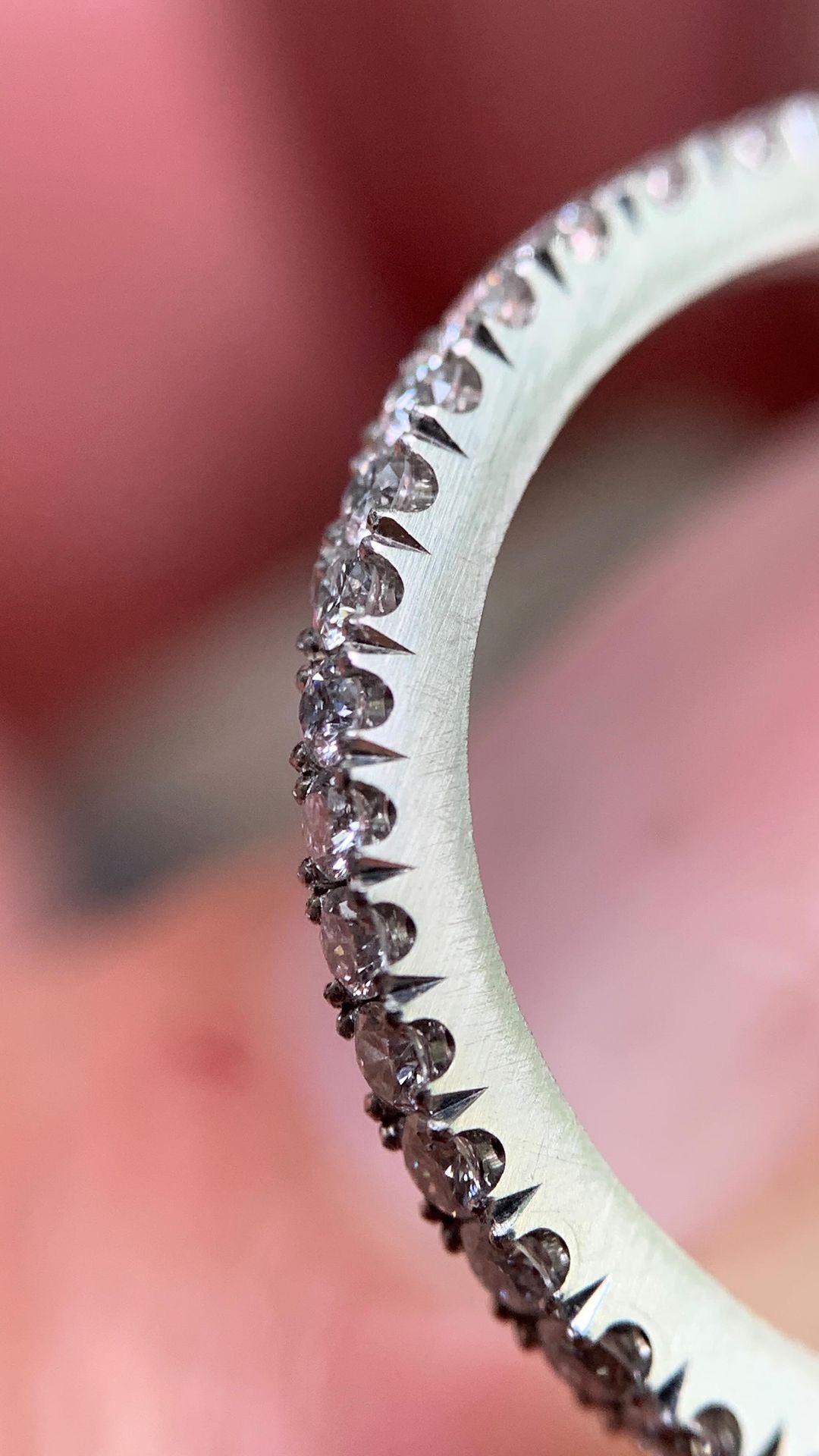
When dozens or hundreds of stones are being set, all of this is repeated again and again. The height of the stones, the spacing between them, their direction, and the amount of metal holding each one must eventually come together as one uniform surface.
Sometimes a deviation of a fraction of a millimeter is enough to change the result.
A Craft That Progress Has Yet to Replace
Almost every profession and field in the world has changed as a result of technology, computers, and automation. The jewelry industry is no different. Today, jewelry is designed using 3D software, models are printed, advanced machines are used, and lasers have become standard workshop tools.
But when it comes to the setting itself, the human hand is still at the center of the process.
There is currently no robot capable of sitting in front of a ring and replacing a professional stone setter across all types of setting.
One of the reasons is simple: no two stones are completely identical. Even when two stones are described as having the same diameter, one may have a thicker girdle, another may be deeper, and another may have slightly different proportions.
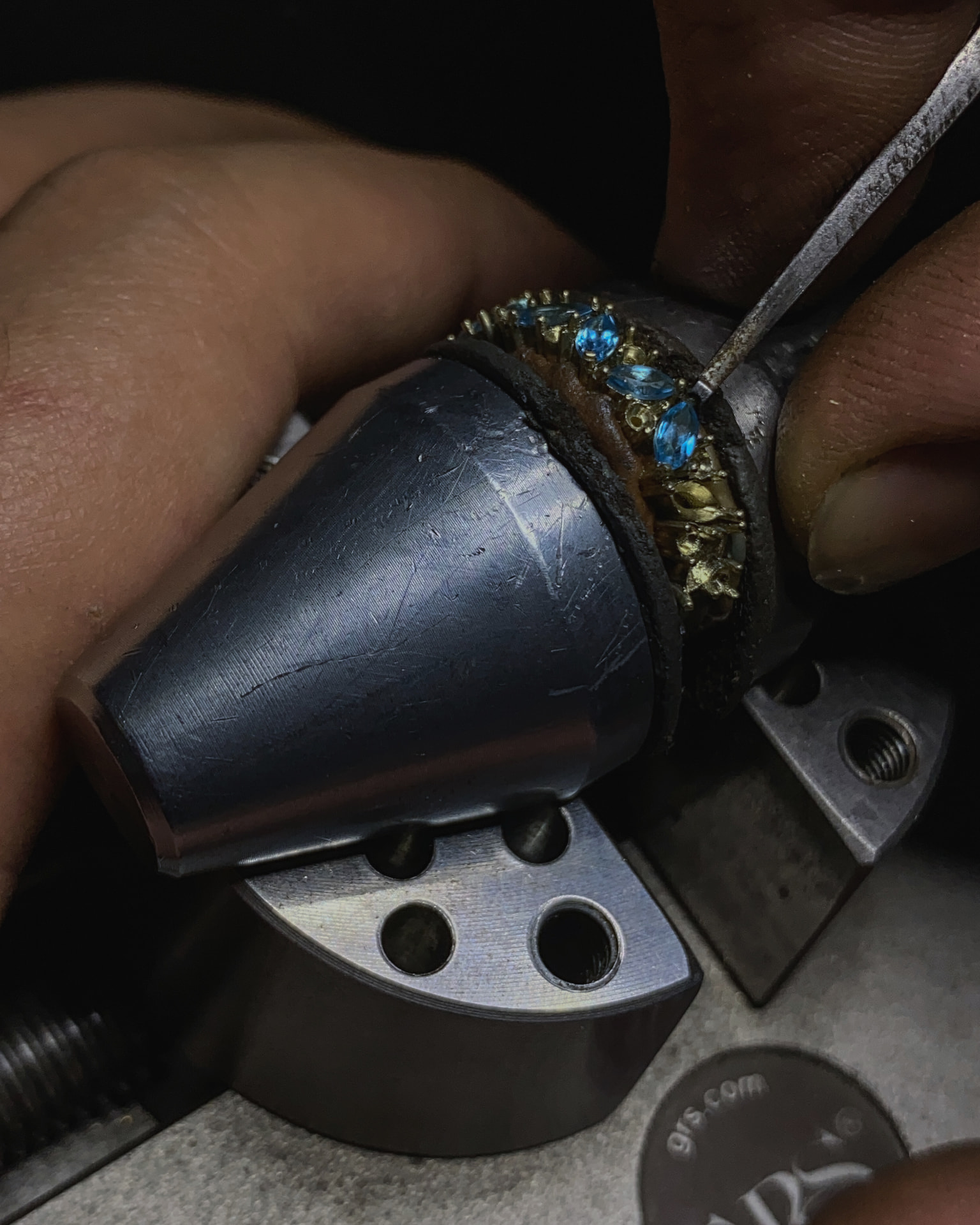
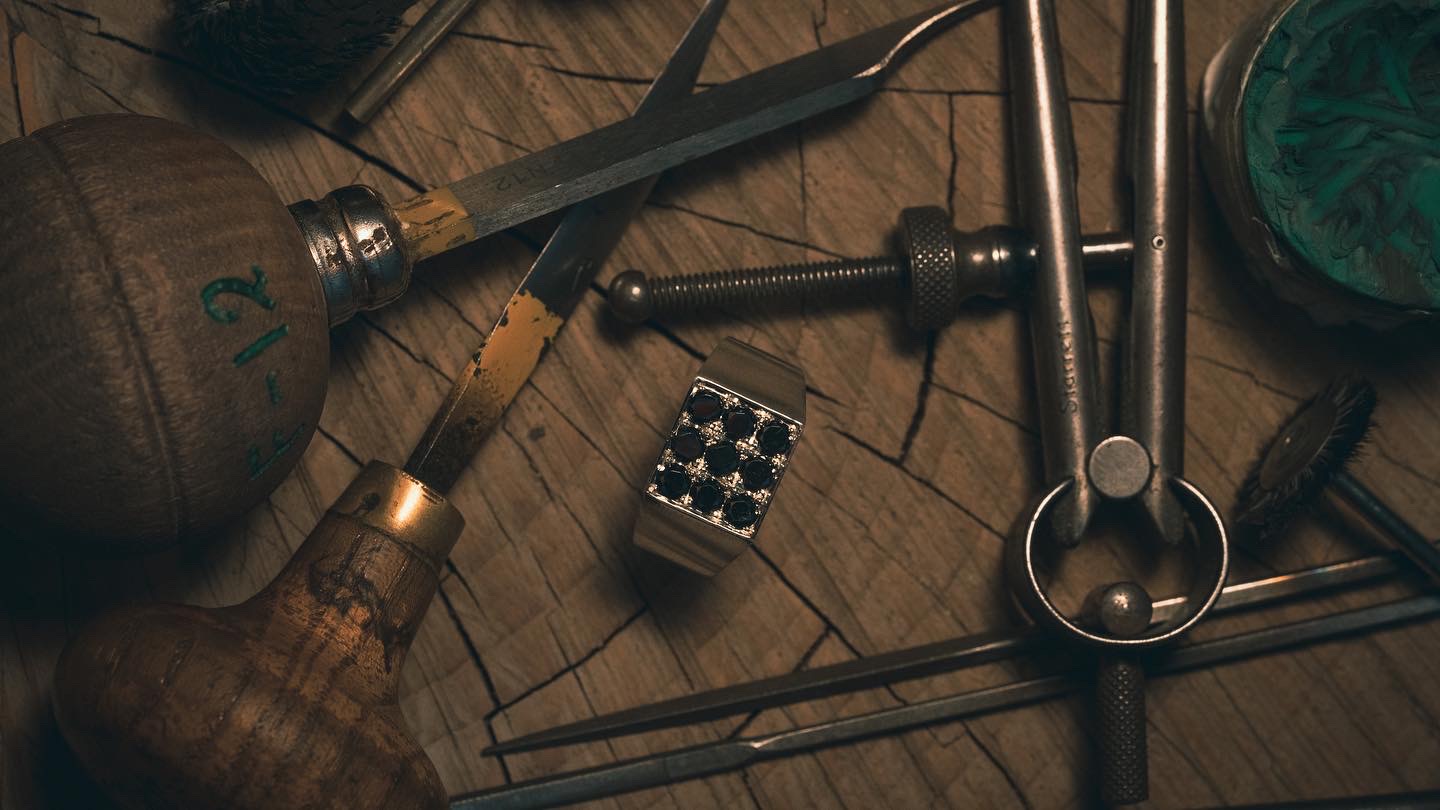
The setter looks at each stone, understands its structure, and adapts the seat to it. Sometimes a little more metal needs to be removed from one side. Sometimes no more metal can be touched. Sometimes one stone within an entire row requires a slightly different solution from all the others.
These are decisions made during the work itself, by the hand and the eye of the person sitting in front of the jewelry.
And so, even after thousands of years of technological development, diamond and gemstone setting remains, to a large extent, what it has always been: a handcraft.
Behind every well-set piece of jewelry is a person who learned the profession, trained their hands and eyes for years, and makes hundreds of small decisions during the work that no one will ever see in the finished piece.
When Stone Setting Reaches the Limits of What Is Possible
The great jewelry houses of the world have taken this craft to extraordinary levels.
One of the most famous examples is the Mystery Set by Van Cleef & Arpels. In this technique, patented in 1933, the gemstones are specially cut and grooved, then slid onto hidden gold rails. Once the work is complete, almost none of the metal holding the stones can be seen.
Cartier has also developed extraordinary setting techniques over the years. One of them is Fur Setting, associated with the house's famous panthers. The setter shapes the metal around the stones in a way that creates a texture resembling individual hairs and fur. At this point, setting is no longer simply the method used to hold the stones. It becomes part of the sculpture of the jewel itself.
In conclusion
A piece of jewelry goes through many stages on its way to becoming a finished creation, whether it is set with stones or not.
In jewelry set with stones, the setting of diamonds or gemstones is a significant part, and perhaps even the most significant part, of the appearance of the final creation. After all, the stones are the cherry on top.
Setting that is not done properly will not only affect the security of the diamonds, but also the overall appearance of the entire piece.
The bright cuts (Bright Cut), the leveling of the diamonds, the design and appearance of the prongs, the cleanliness between the stones, and the quality of the setting foundation, all of these will distinguish between a true luxury piece of jewelry, to which the necessary time, care, and skill have been devoted, and an average commercial piece of jewelry.