
Goldsmithing & Stone Setting
Invisible Setting - The Art of Making the Metal Disappear
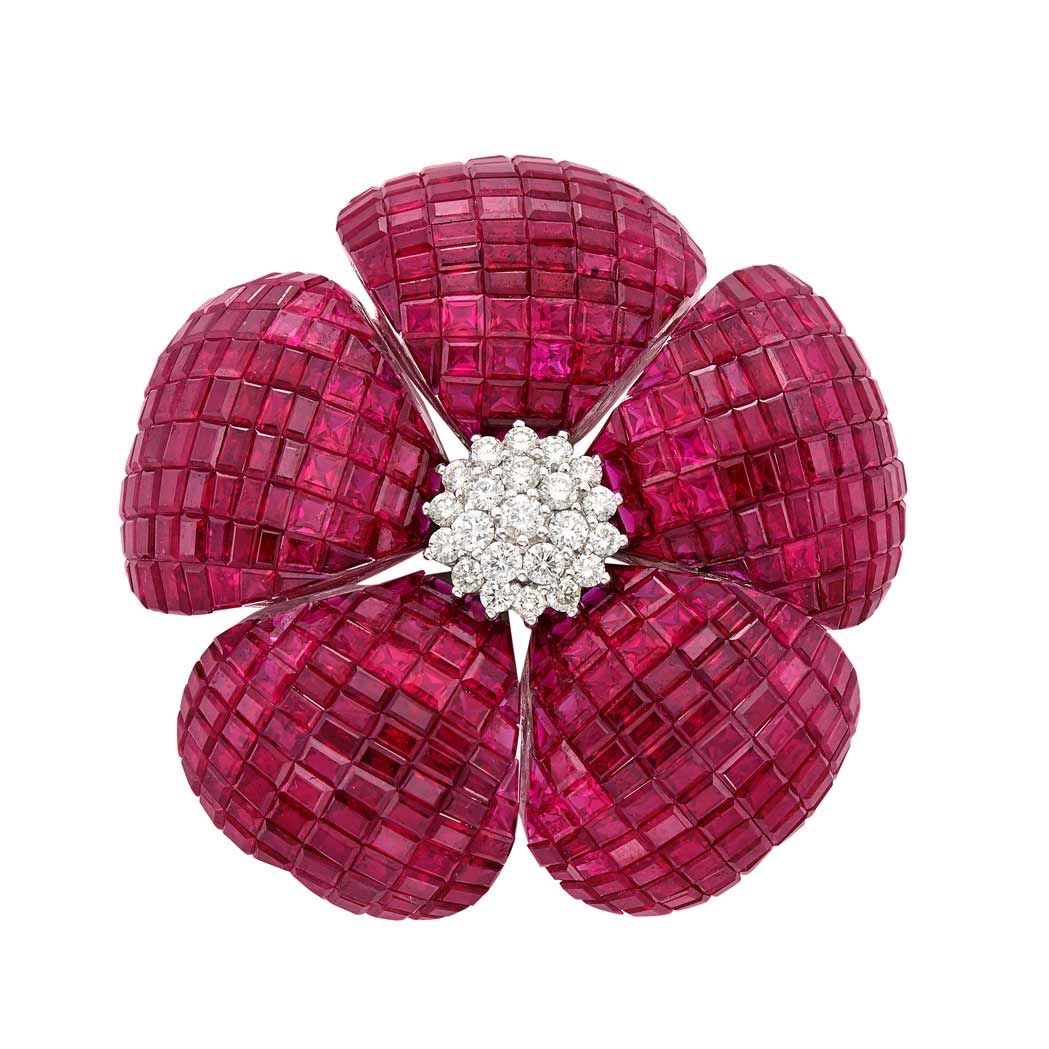
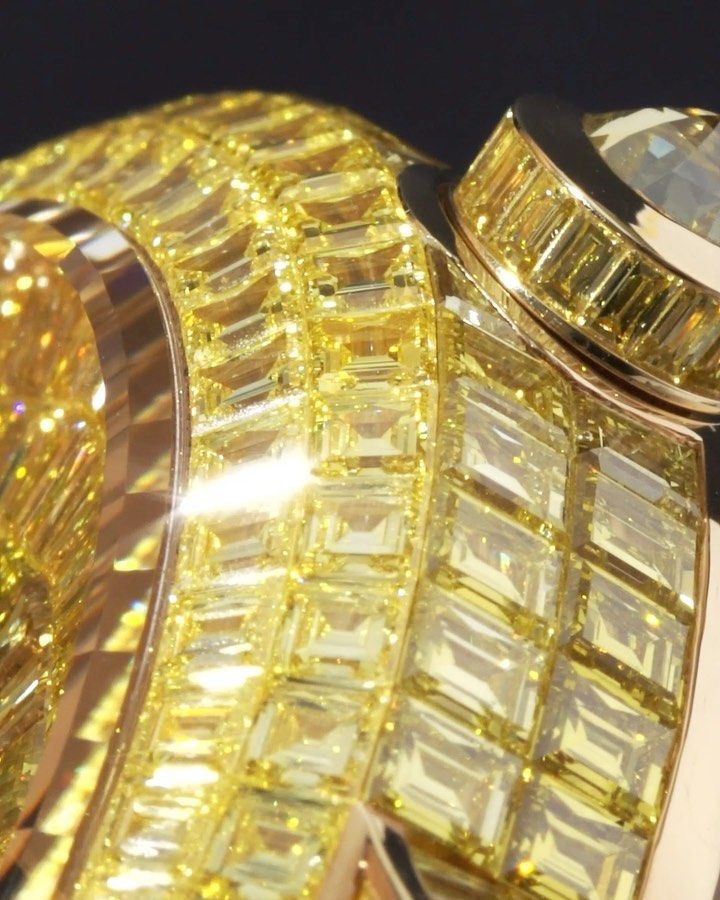
When looking at a piece of jewelry set with Invisible Setting, the first thing that catches the eye is actually what cannot be seen. There are no visible prongs holding the stones, no bezels, and almost no trace of metal between them. The result is a continuous surface of gemstones that almost seems to hold itself together.
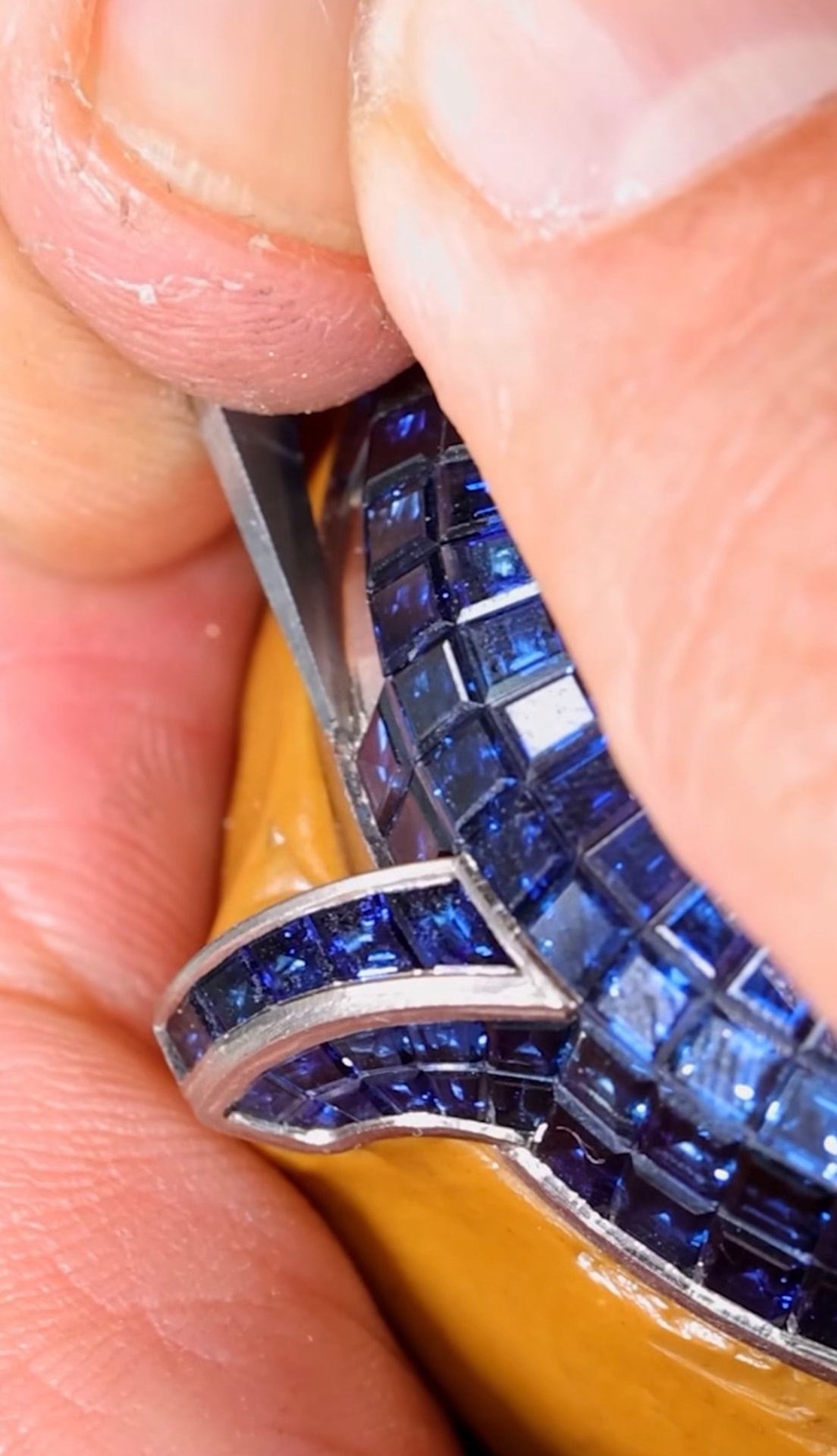
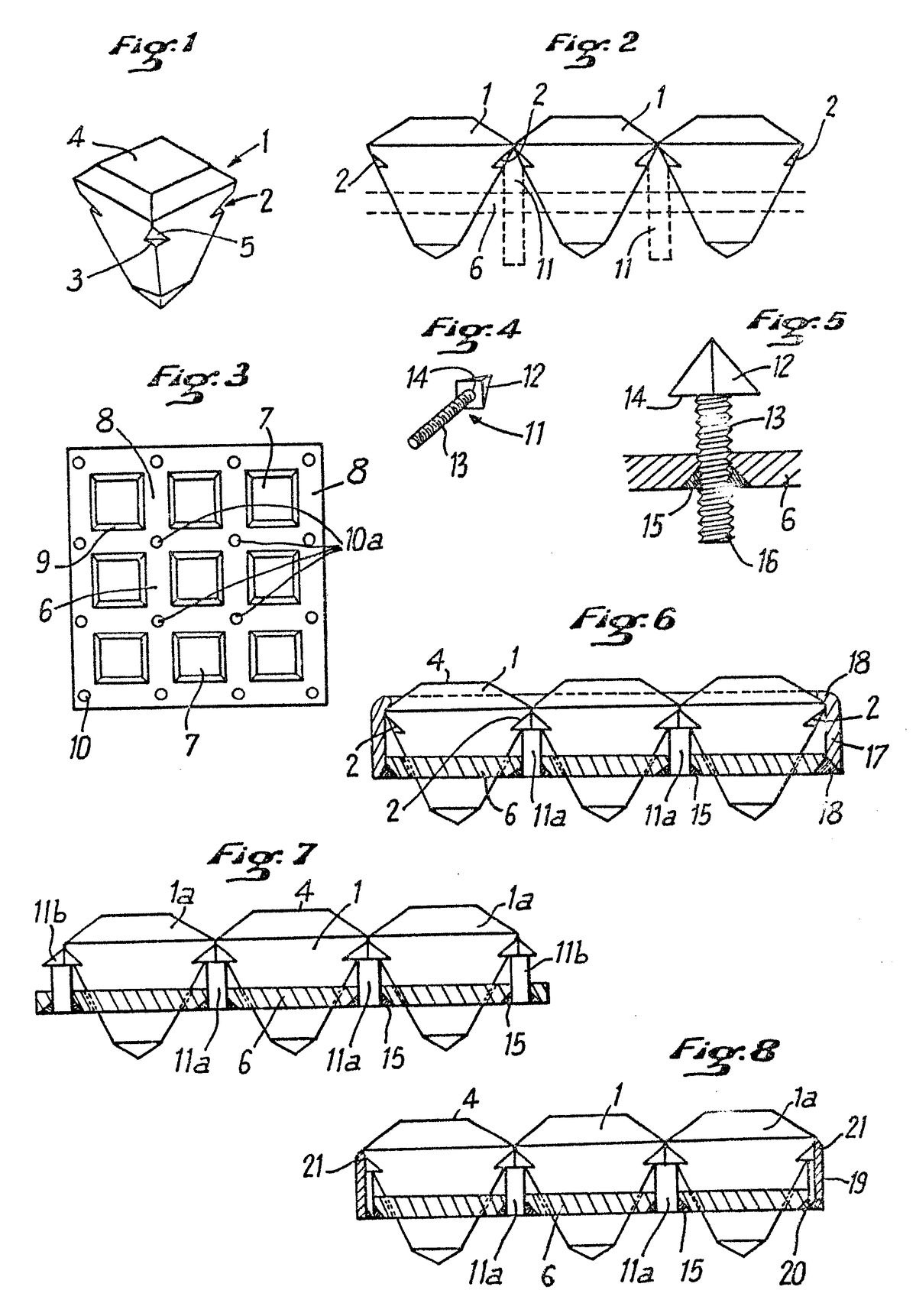
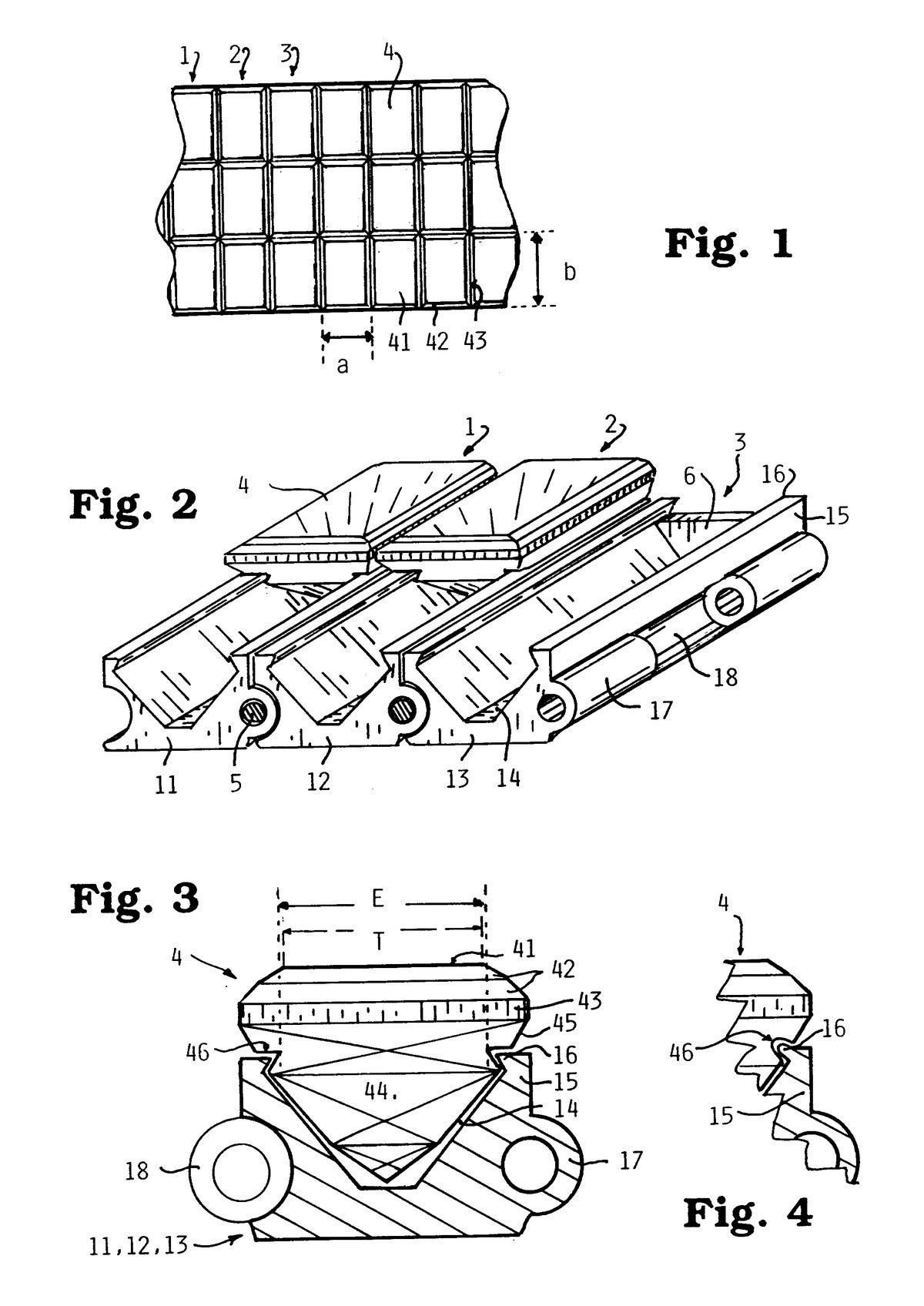
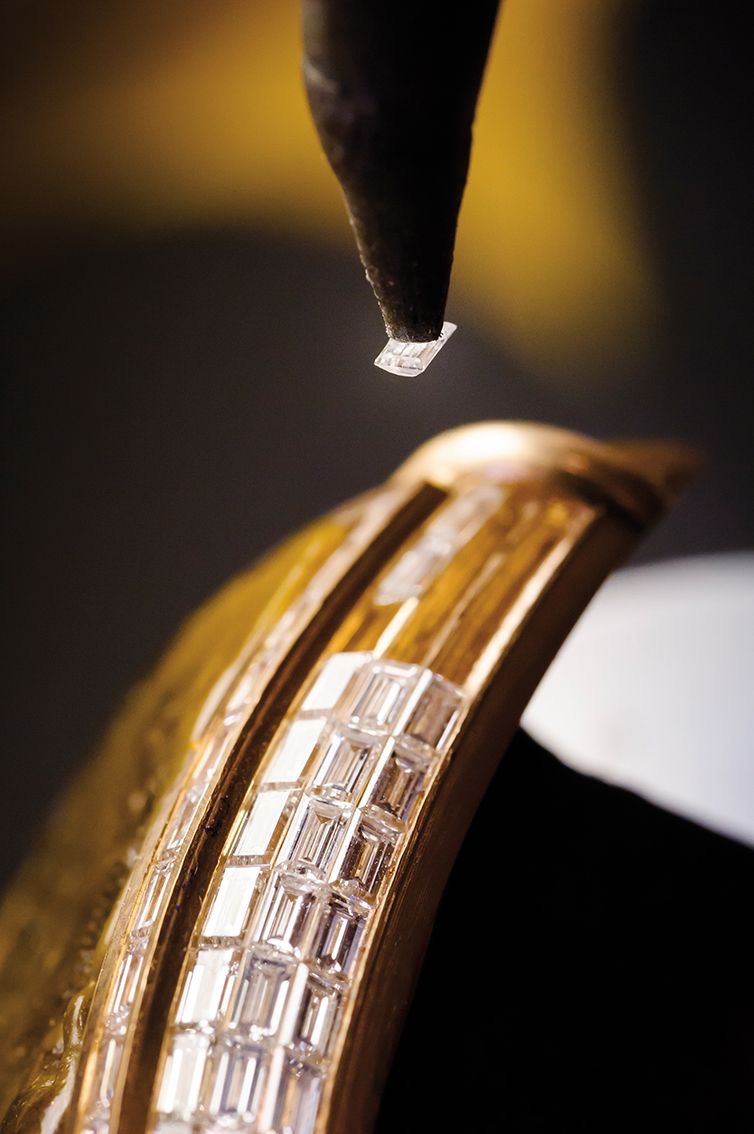
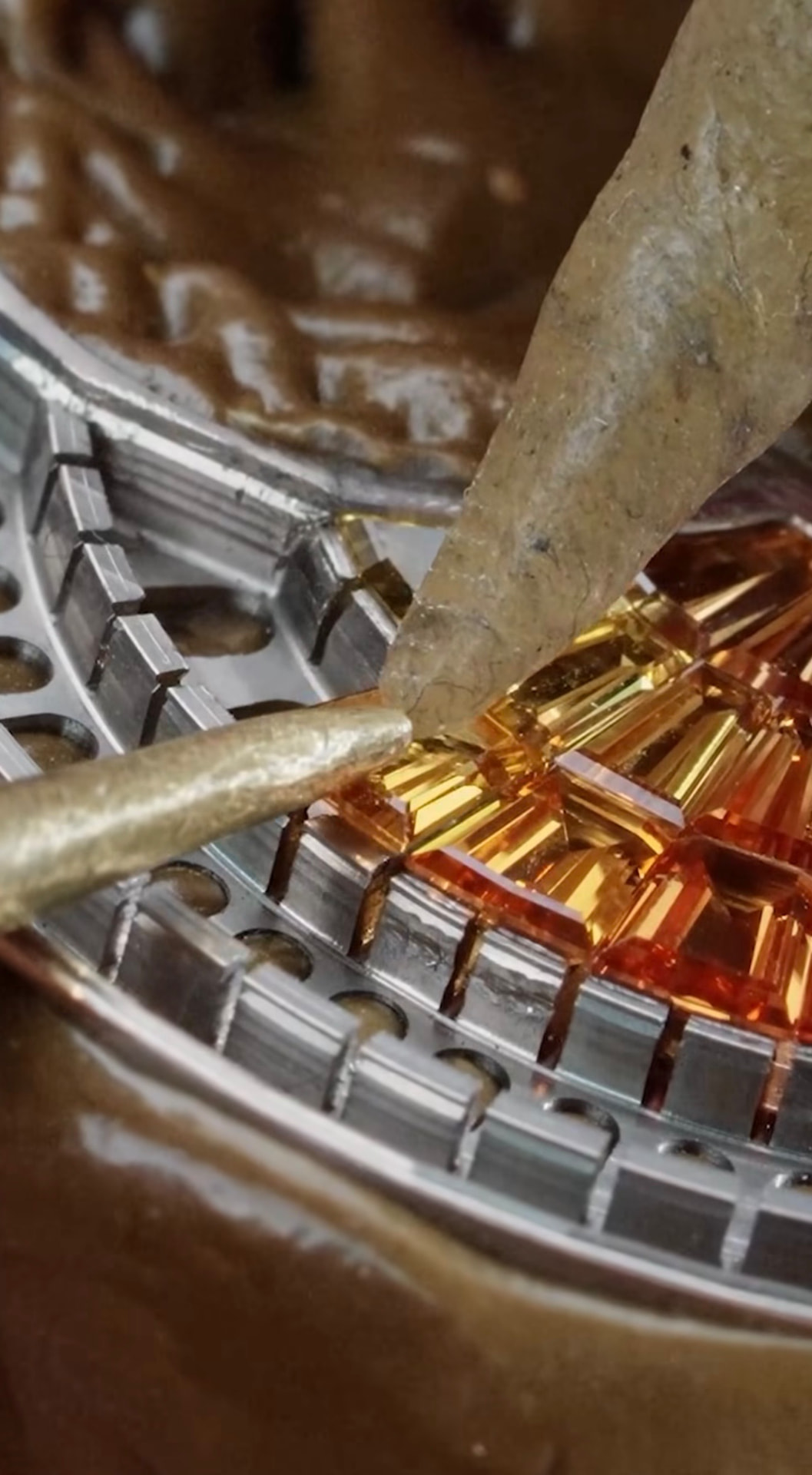
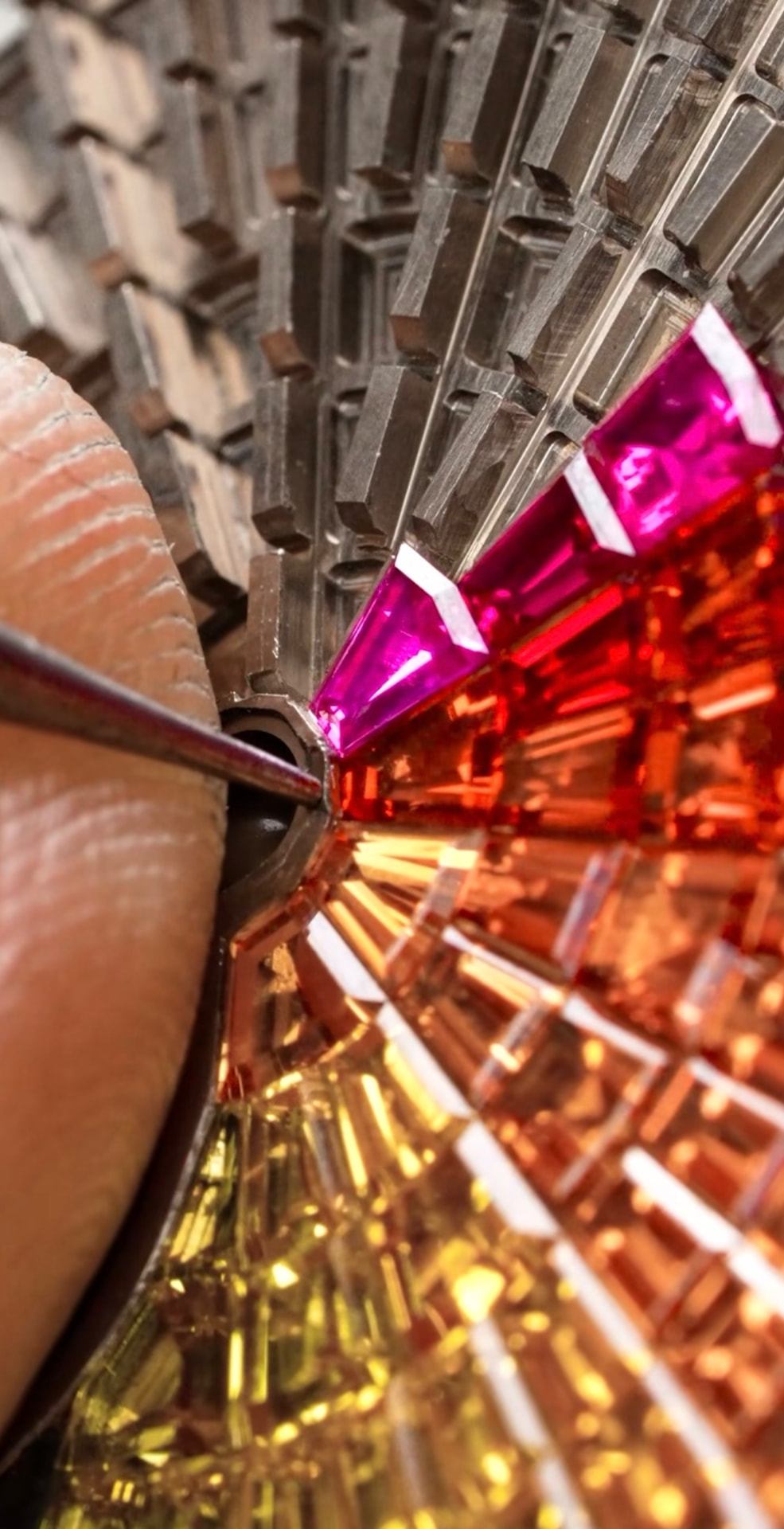
Behind this clean appearance is one of the most complex setting techniques in jewelry making. Tiny grooves are cut into each stone, usually below the girdle, allowing the stone to slide onto thin metal rails hidden beneath the surface. When executed properly, the rails disappear completely and only the gemstones remain visible.
At the highest level, it is not enough to simply choose stones of similar size. Each stone is individually cut and fitted to the exact place it is meant to occupy in the piece.
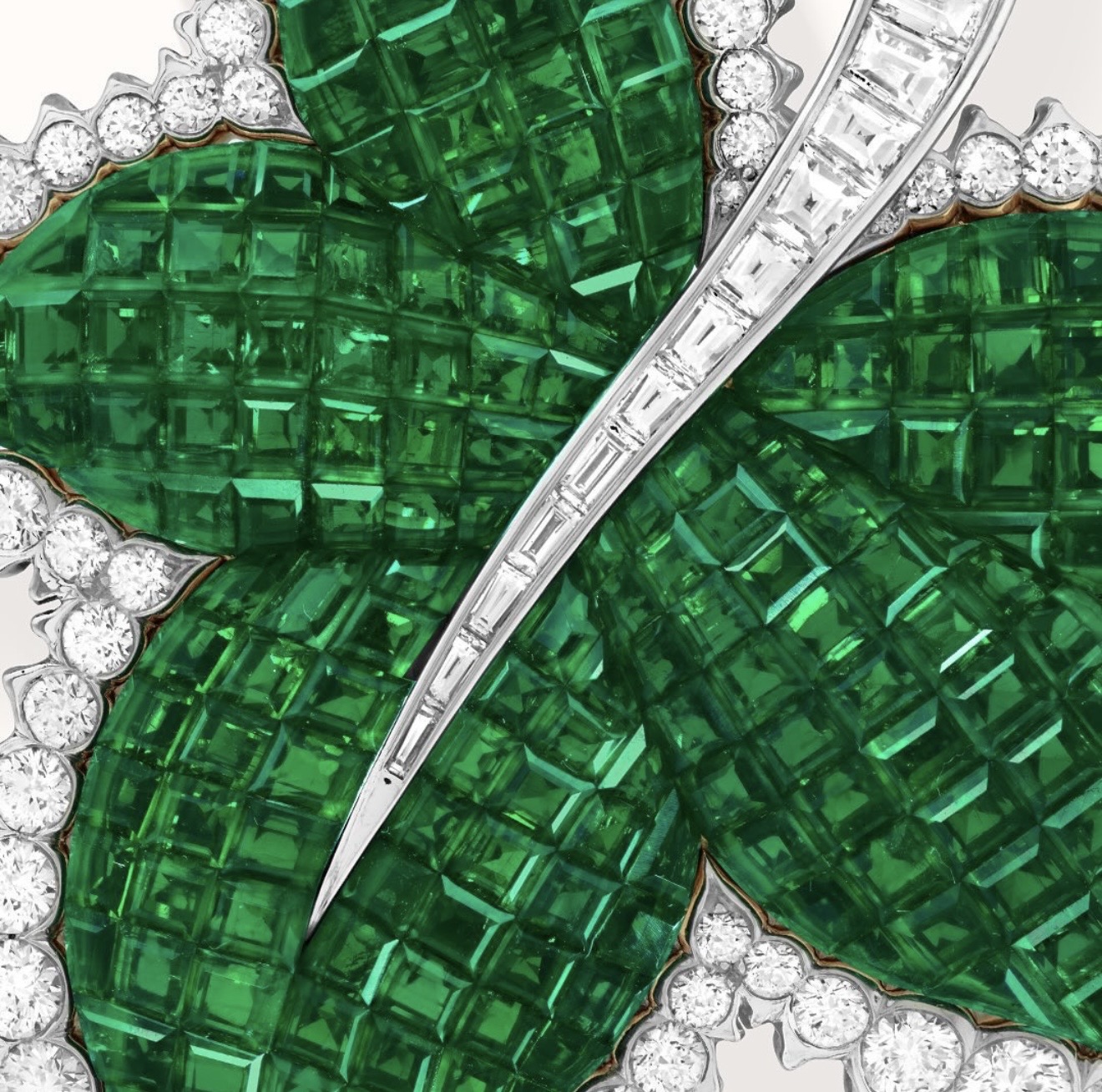
The idea itself is not new. As early as 1904, Chaumet patented a setting technique designed to conceal the metal structure. Cartier registered another patent in 1932, and one year later Van Cleef & Arpels patented the technique that would become most closely associated with this style of setting.
Their method, known as the Mystery Set™, was developed together with the Langlois workshop and eventually became one of the house's most recognizable signatures. Over the years, the technique evolved from flat surfaces to curved and three-dimensional forms, including flowers, leaves and other complex shapes.
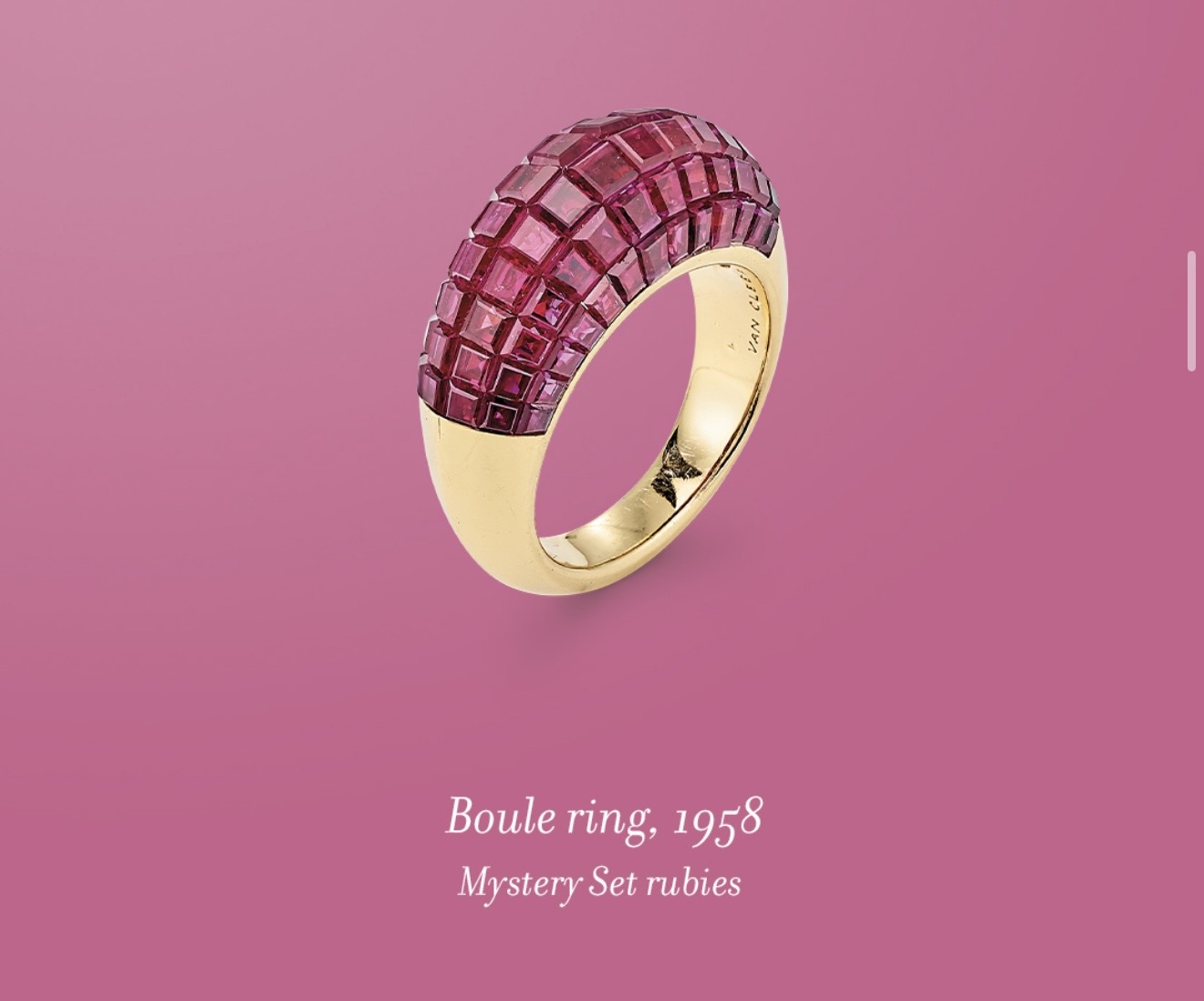
Many of the most famous examples were created using rubies and sapphires, although emeralds and diamonds have also been used. Because almost no metal is visible between the stones, their colors blend together into one continuous surface. This seamless appearance is exactly what the technique was designed to achieve.
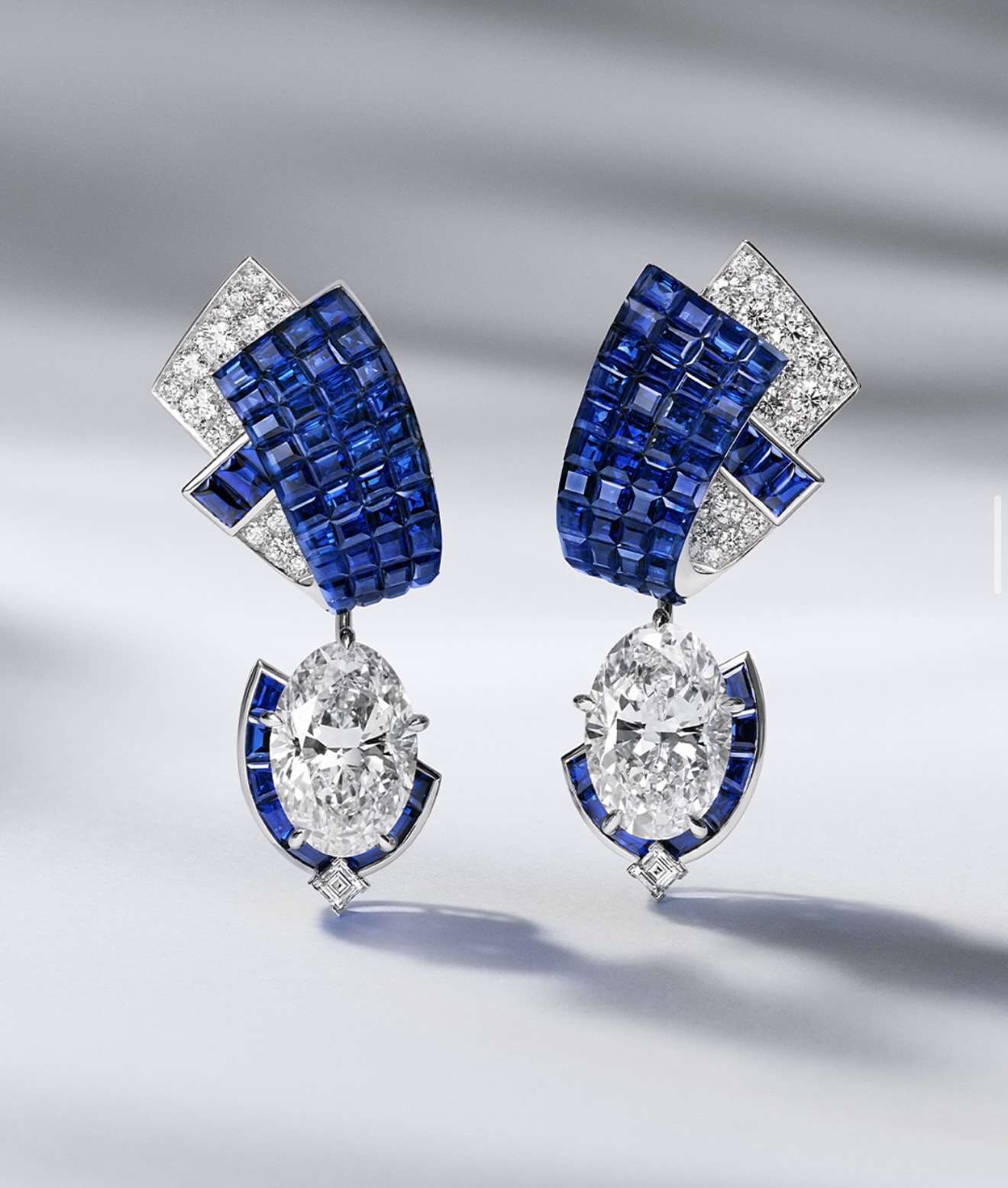
From a technical point of view, the work is equally remarkable. According to Van Cleef & Arpels, preparing a single stone for a Mystery Set piece can require up to eight hours of work, while a complex brooch may involve around 300 hours of craftsmanship.
Even a slight variation in the cut or height of one stone can affect the stones around it. Replacing a damaged stone is also far from simple, since the new stone must match not only in color and dimensions, but also in the hidden structure on which it sits.

The Cost of Invisible Setting Jewelry
The complexity and rarity of the technique are also reflected in its price. High-level pieces can easily reach tens or even hundreds of thousands of dollars, while rare pieces from major luxury houses can be worth considerably more. A significant part of the cost comes not only from the value of the gemstones themselves, but also from the custom cutting, precise fitting and many hours of highly skilled work required to complete the piece.
Invisible Setting in Israel
Israel has an interesting relationship with this technique. Invisible Setting is not especially common in jewelry sold to the local market, but the professional knowledge and technical ability certainly existed here.
Over the years, cutters, setters and companies around the Ramat Gan Diamond Exchange specialized in calibrated stones and invisible setting. A large part of this work was never intended for the Israeli market at all, but rather for overseas clients, jewelry houses and luxury watch manufacturers.
This created an unusual situation: Israel had skilled professionals capable of producing this type of work, while the local public rarely encountered the finished pieces. In many cases, the expertise was here, but the final product was made for export.
Invisible Setting in Luxury Watches
Today, one of the most prominent areas where Invisible Setting can be seen is the world of luxury watches.
In watchmaking, the level of precision required is especially high. The stones may need to follow the bezel, case, lugs and sometimes even the individual links of the bracelet. Each stone must fit almost exactly into the space designed for it.
Manufacturers such as Patek Philippe and Audemars Piguet have used the technique to create uninterrupted surfaces of diamonds and colored gemstones with almost no visible metal between them.
In the Patek Philippe Grand Complications 5374/400P, for example, 84 baguette-cut Paraiba tourmalines were invisibly set around the bezel, case and lugs.
High-end watchmaking has become one of the most important areas in which this technique continues to be developed and displayed. Some companies specialize in cutting gemstones according to highly precise drawings provided by watch manufacturers, sometimes working to tolerances measured in hundredths of a millimeter.
Israel also has a presence behind the scenes in this field. Companies operating from the Ramat Gan Diamond Exchange work with calibrated gemstones and supply the international jewelry and watch industries.
Although simpler commercial versions of Invisible Setting also exist today, they are very different from the work seen in haute joaillerie and haute horlogerie. At this level, the technique requires extremely close cooperation between the lapidary, goldsmith and setter.
Perhaps that is what makes this technique so special: the more complex and precise the work becomes, the less of it the viewer can actually see.